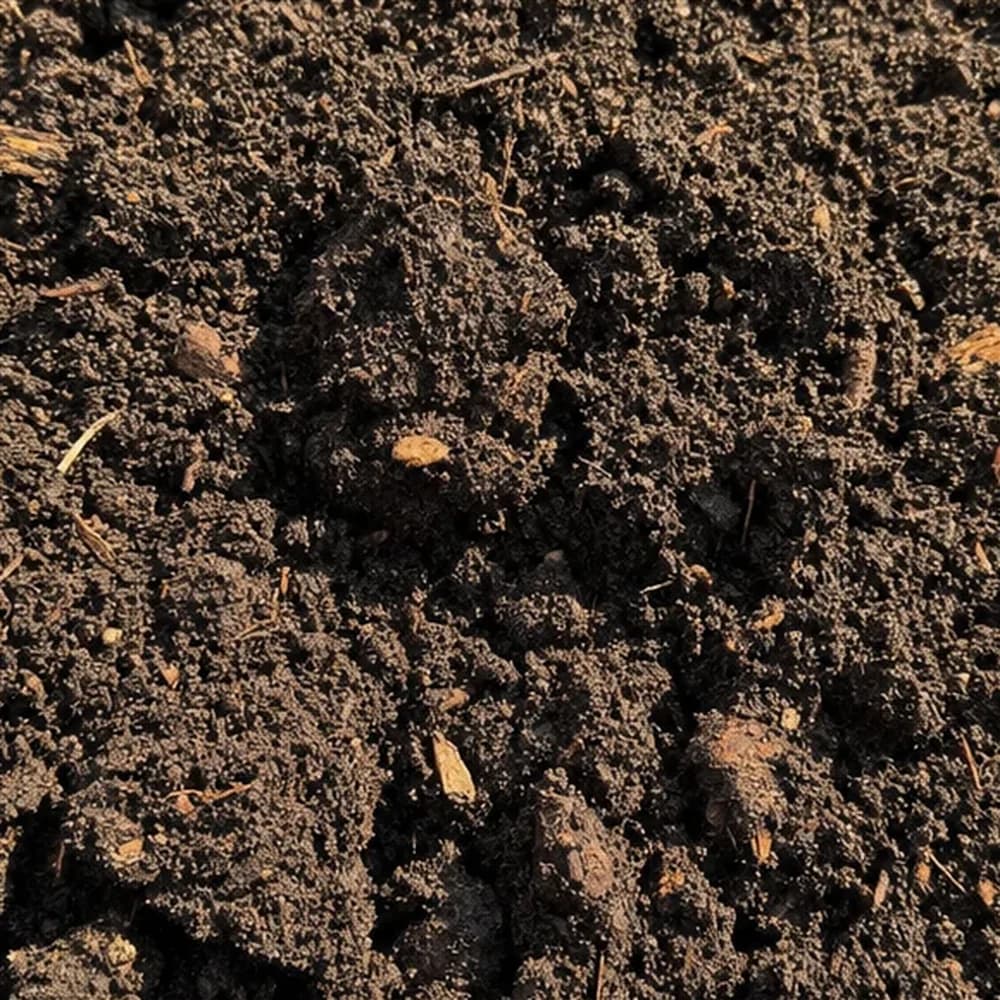
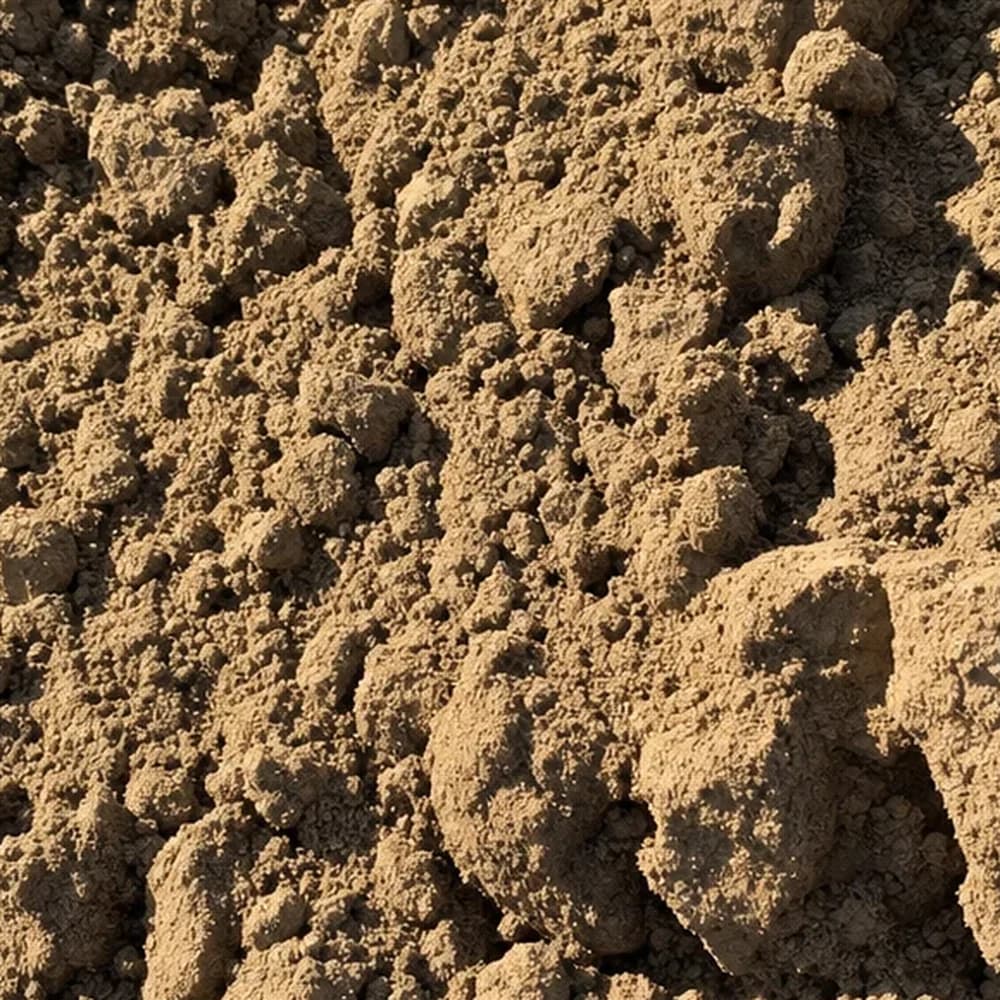
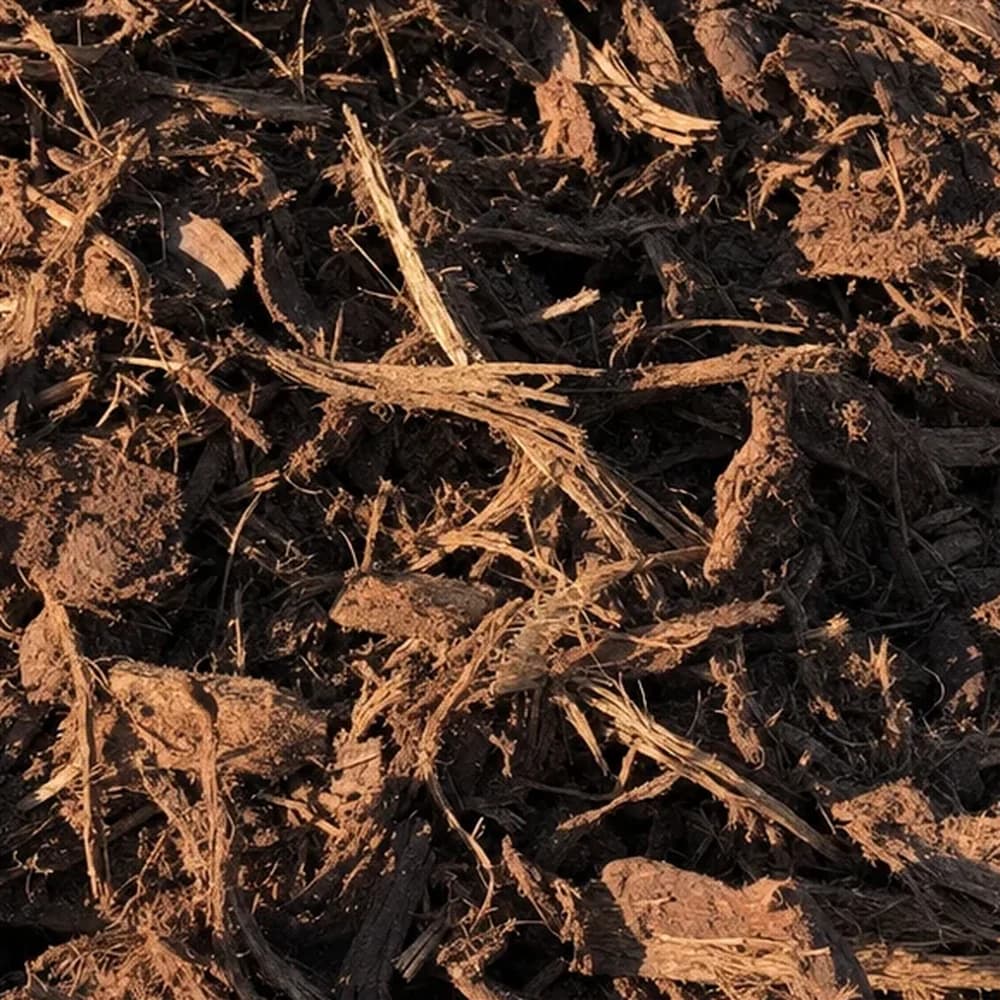
Screened Top Soil for Connecticut Lawns Over Till and Ledge
Top Soil gives Connecticut planting areas beside patios and walls a clean, workable surface for lawns, beds, and gardens.
- Size: Screened; free of rocks, debris and large clumps
- Grading: Balanced sand, silt and clay
From $378 for 1 ton, delivery included
Larger loads cost less per ton: 500 tons is $27,530 ($55.06 per ton). Pick any quantity below for a delivered price.
Free delivery included
Free delivery anywhere in Connecticut
Pick a delivery date
Weekday delivery, earliest Oct 20
Get a Free Quote
Fill out the form and our sales team will get back to you within the hour.
Size and Grading
- Size
- Screened; free of rocks, debris and large clumps
- Grading
- Balanced sand, silt and clay
Most people land on this page with one question and three products in front of them. The lawn is thin, the back corner is low, or a build has left the yard scraped down to something the color of concrete, and the choice is between soil that grows things, soil that feeds a planting bed, and dirt that just fills a hole. Getting that choice right is worth more than any amount of care taken over the spreading, because rocky glacial till has a way of showing up every shortcut by the second spring.
Screened, and balanced between sand, silt and clay
Two lines describe the material. It is screened, which means rocks, roots, debris and large clumps have been taken out before it is loaded. And its grading is a balance of sand, silt and clay, which is what lets it hold moisture for roots while still letting excess water pass.
Both matter more here than they would on a deep soil. Native ground across much of Connecticut is stony till, so a shovel of what is already in the yard comes up with half a trowel of stone in it. Screened material spreads and rakes without stopping every third pass to pick out a rock, which is the difference between an afternoon and a weekend on a seeding job.
Three jobs on a till lot, and which soil each one wants
Three requests that come in regularly, with an honest answer for each:
| The job | Top Soil? | What it actually wants |
|---|---|---|
| A low spot or a yard regrade before seeding | Yes, as the finish layer | Bring the bulk of the depth up with a fill material and cap it with the growing layer. |
| A culvert outlet or a ditch lining | No | Soil placed in a flow path washes out with the first storm. That job wants heavy armor stone. |
| A xeriscape planting or a rock garden bed | Rarely on its own | A lean, sharp-draining mix suits those plants better than a moisture-holding soil. |
The rule behind the table is that top soil is a surface layer, not a structural one and not a drainage one. Where it has to hold a grade more than a few inches deep, put Fill Dirt underneath and keep the screened material for the top. Where the job is a planting bed being built up from scratch, Garden Soil is the one formulated for it.
Ledge, sideways water and a planting layer that has to sit on it
The conditions that break lawn work in this state are not really about soil quality. Ledge close to the surface and dense till underneath mean water often travels sideways across a property rather than soaking straight down, so a low corner can be fed from uphill for weeks after the rain has stopped.
Spreading soil into that corner without dealing with the water gives you a deeper puddle, and a thick layer of soil over a hard subgrade is a bathtub. We would walk the site during a wet spell first and watch where the water actually goes, then shape the subgrade so it falls the way you want before any soil is spread.
Timing follows the same logic. Ground that is frozen or saturated cannot be graded, so the work belongs in the stretch from the spring thaw through to the fall, with enough warmth left afterwards for seed to establish.
Depth and yardage for a 40 by 22 lawn regrade
A hypothetical example, worked through so the arithmetic is repeatable. Length times width times depth in feet, divided by 27.
A back lawn, 40 feet by 22 feet, at 4 inches: 40 x 22 = 880 square feet. 880 x 4/12 = 293.3 cubic feet. 293.3 divided by 27 = 10.9 cubic yards. This site's own published weight for screened topsoil is about 1.10 tons per cubic yard, so 10.9 x 1.10 puts that lawn at roughly 12 tons, an approximate figure rather than an exact one.
Round that up rather than down. A screened soil is placed loose and full of air, and it drops noticeably once it has been raked, walked on, rained on and watered in. The depth you enter in a calculator is the loose depth, so if the finished lawn has to sit level with a walk or a patio edge, allow for the drop or you will be back for a top-up load.
Bulk material is sold by the ton, and the conversion from cubic yards depends on the density figure used for soil, so put your own measurements through the topsoil calculator and take the tonnage from the tool rather than estimating it.
Getting the wheelbarrow route and the drop spot ready
Choose a quantity and a delivery date on this page. Delivery is arranged by ZIP code at checkout, and the truck needs a clear run to a spot where it can raise a body and tip.
Soil is the load that causes the most grief on older properties, because the obvious place to put it is the lawn you are about to reseed. A few yards sitting on grass for a week kills what is under it and leaves a scar you then have to repair. Pick a hard surface if you have one, put plywood or a tarp down if you do not, and have a wheelbarrow route planned that does not cross anything soft. The wetter the week, the more that matters, since a loaded wheelbarrow across a spring lawn leaves ruts that stay all season.
Have the subgrade shaped before the load lands. Soil arriving onto a yard that has not been prepared has to be moved twice, and Connecticut Rock Supply cannot spread it for you. If access is tight or the drop spot is a long way from the work, send the details through the contact page before you book a date.
Quickly Calculate How Much You Need
Material: Top Soil
How to Measure
Measure the length and width of your project area in feet
Decide on depth in inches (2" for landscaping, 4" for driveways)
Enter the values above and we'll calculate the tonnage you need
Need help figuring out the right amount? We can help!
Call or text us at (860) 891-3260 and we'll help you calculate the right quantity for your project.
Not sure how much you need? The Topsoil Calculator has depth guides, coverage charts and worked examples for this material.
Frequently Asked Questions About Top Soil
Top Soil delivery across Connecticut
- Bridgeport
- Stamford
- New Haven
- Hartford
- Waterbury
- Norwalk
- Danbury
- New Britain
- Fairfield
- Greenwich
- West Hartford
- Bristol