Fill Dirt for Connecticut Low Spots That Have Settled Once Already
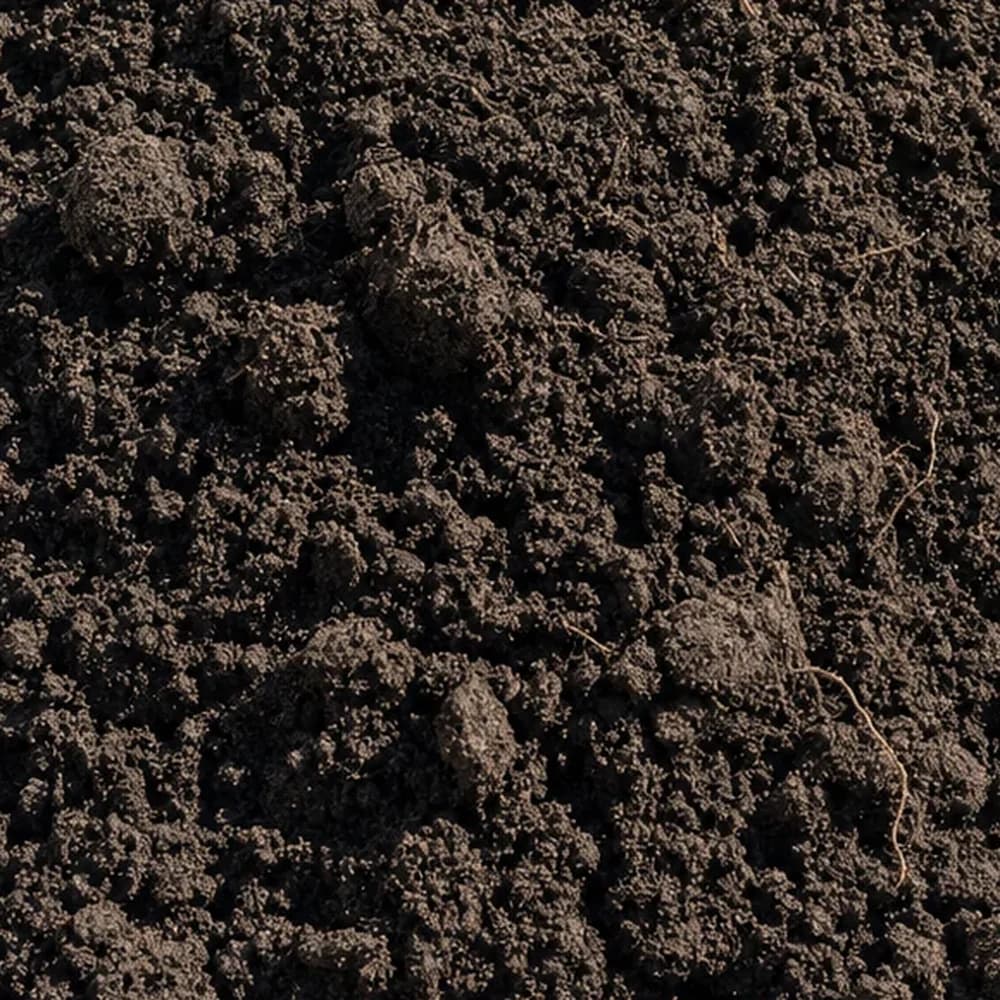
Fill Dirt provides Connecticut sites with clean, compactable material for backfill, grade changes, and preparation beneath planned landscape or construction work.
- Size: Screened to remove large rocks, roots and debris
- Grading: Minimal organic matter
From $246 for 1 ton, delivery included
Larger loads cost less per ton: 2000 tons is $62,840 ($31.42 per ton). Pick any quantity below for a delivered price.
Free delivery included
Free delivery anywhere in Connecticut
Pick a delivery date
Weekday delivery, earliest Oct 20
Get a Free Quote
Fill out the form and our sales team will get back to you within the hour.
Size and Grading
- Size
- Screened to remove large rocks, roots and debris
- Grading
- Minimal organic matter
The low corner of a side yard on an older lot here has usually been filled once before, with whatever soil was on hand at the time, and it is low again. That is the mistake fill dirt exists to correct. Rich, dark, organic soil looks like the right answer to a hollow and is the wrong one, because the organic matter in it breaks down, loses volume and takes the grade back down with it. Fill dirt is a clean earthen material screened of large rocks, roots and debris, with minimal organic matter, which is exactly why it stays where you put it.
The side yard that has been ponding against the foundation since the last regrade
The job this material is bought for most often is bringing a low area back up so water runs away from a building instead of standing beside it.
On glacial till, water moves sideways across a property rather than soaking straight down, so a shallow dish along that route holds a puddle for days. Beside a foundation that is a real problem rather than a cosmetic one, and repeated freezing and thawing makes it worse, because saturated ground next to a wall has somewhere to expand into and the wall is it.
The fix is a grade that falls, built out of something that does not shrink. Site grading, foundation and wall backfill, raising low areas and filling the void left by an old pool are all the same job in different clothes: make the ground the shape you want, then make it stay that shape.
Compacting fill dirt over till, and what ledge does to your volume
Two local conditions change how this material behaves here.
The first is what is underneath. Ledge close to the surface and dense till mean the hollow you are filling is almost never the shape it looks from above. Measure the depth in several places rather than trusting one figure across the whole area.
The second is moisture. Till holds water, and fill spread in a wet week will not compact properly however many passes you make. It ends up spongy and consolidates on its own schedule over the following year. The window that works is the one that suits base and paver work: spring through autumn, with frozen ground stopping compaction once winter sets in. The material has the mineral content to pack into a firm mass; the limit is what sits under it and how wet it was going down.
Six-inch lifts, a plate, and a grade that falls away from the house
Spread it in shallow layers rather than dumping the full depth and hoping. Six inches of loose material at a time, raked level, compacted, then the next lift. A single thick spread leaves uncompacted material in the middle, and that is what settles the winter after you finish. A plate compactor is enough at yard scale; anything structural wants compaction as the material is placed rather than one pass at the end.
Shape the finished grade before you walk away. Set the fall away from the building and check it with a level rather than by eye, because a yard that looks flat is usually falling the wrong way by a small amount.
If planting is going in afterwards, stop the fill a few inches below the finished level and cap it with growing soil. Nothing takes root in this material.
Top Soil and Processed Gravel: what each one does that fill dirt cannot
Three piles get ordered for grading work and only one of them is structural.
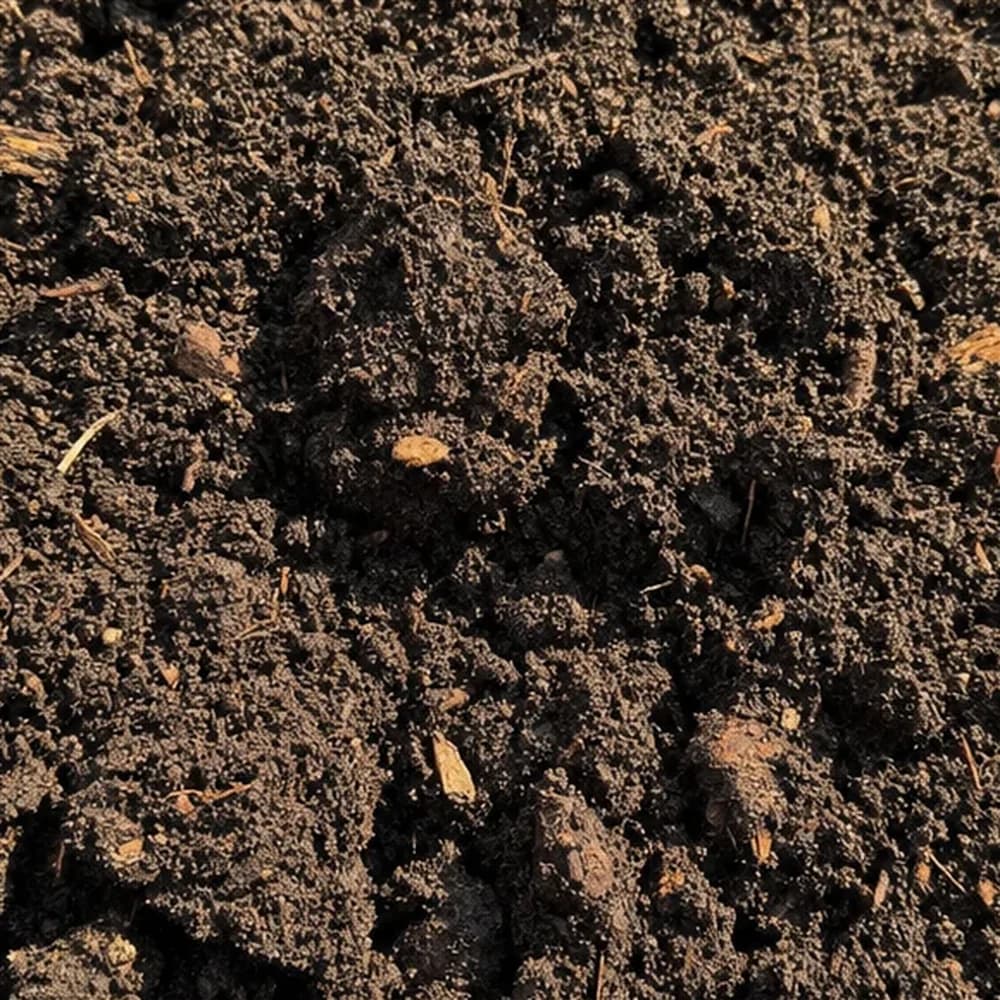
Top Soil is screened soil with the organic content left in, made for growing. It belongs in the last few inches under turf or a bed, over fill already brought to grade. Used as bulk fill it settles, which is the failure this page opens with.
Garden Soil is blended with compost for raised beds. It has more organic matter again and even less business carrying a grade.
Processed Gravel takes over where the fill has to bear a load directly. Under a driveway, a pad or a turnaround that vehicles will use, the fill brings the subgrade up and a compacted stone lift goes on top of it. Fill dirt is the volume; the stone is the strength.
In New England yards, bulk fill is sometimes spoken about as bank run, which is a description of where the material came from rather than a separate grade sold here.
The French drain along the foundation is not a fill dirt job
One request needs redirecting outright. A French drain works because water moves freely through open washed stone, and earthen fill does the opposite: it fills the voids and stops the flow. Putting fill dirt into a drainage trench turns a drain into a buried ditch holding water against the wall you were trying to protect.
That trench wants Drain Rock around a perforated pipe, with geotextile separating stone from soil. Fill dirt has a role above the fabric: backfilling the trench to grade once the drainage assembly is complete, capped so the surface sheds.
Yards and tons for a 16 by 9 dog run and a 26 by 14 turnaround
Two hypothetical areas on the same older lot, worked as length times width times depth in feet, divided by 27.
The dog run. 16 x 9 = 144 square feet, raised 8 inches: 144 x 8/12 = 96 cubic feet. 96 divided by 27 = 3.56 cubic yards in place.
The turnaround. 26 x 14 = 364 square feet, raised 10 inches: 364 x 10/12 = 303.3 cubic feet. 303.3 divided by 27 = 11.23 cubic yards in place.
Together, 14.8 cubic yards of finished, compacted volume. Loose material occupies more space than compacted material, so add roughly a fifth for compaction: 14.8 x 1.2 = about 17.8 cubic yards to order.
This site publishes dry fill dirt at about 2,400 lb per cubic yard, or 1.20 tons per yard, which gives 17.8 x 1.20 = 21.4 tons. Call it 21 to 22. Wet fill weighs up to 3,000 lb per cubic yard, so after a wet spell the same volume takes more tons to fill, not fewer. Work the volume out first and let the weight follow.
Check your own measurements in the dirt calculator, which handles a hollow of uneven depth better than one figure across the whole area. Then pick the amount and a delivery date here. Delivery is arranged by ZIP code at checkout and the truck needs clear access to a dump spot. Get the drop as close to the work as access allows, because moving a bulk load twice is what costs real time.
Quickly Calculate How Much You Need
Material: Fill Dirt
How to Measure
Measure the length and width of your project area in feet
Decide on depth in inches (2" for landscaping, 4" for driveways)
Enter the values above and we'll calculate the tonnage you need
Need help figuring out the right amount? We can help!
Call or text us at (860) 891-3260 and we'll help you calculate the right quantity for your project.
Not sure how much you need? The Dirt Calculator has depth guides, coverage charts and worked examples for this material.
Frequently Asked Questions About Fill Dirt
Fill Dirt delivery across Connecticut
- Bridgeport
- Stamford
- New Haven
- Hartford
- Waterbury
- Norwalk
- Danbury
- New Britain
- Fairfield
- Greenwich
- West Hartford
- Bristol