RipRap for Connecticut Stream Banks, Culvert Outlets and Shoreline Toes
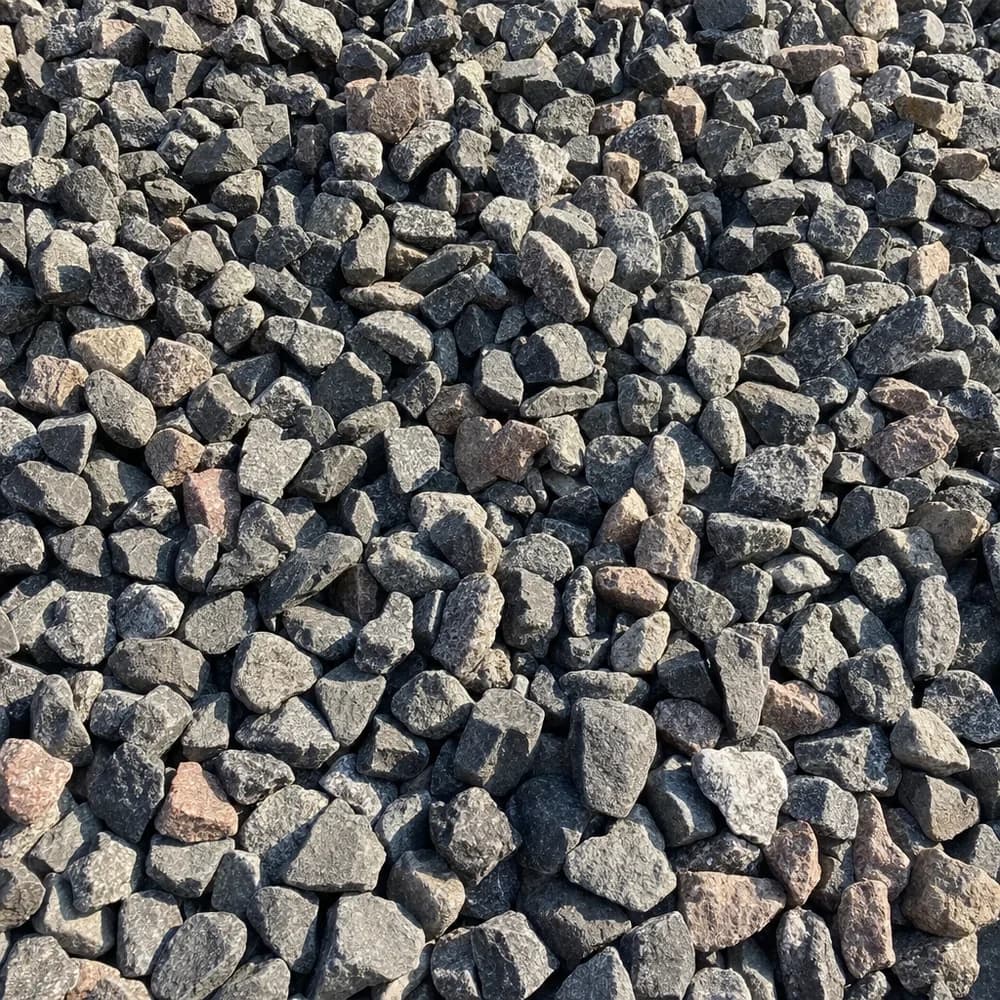
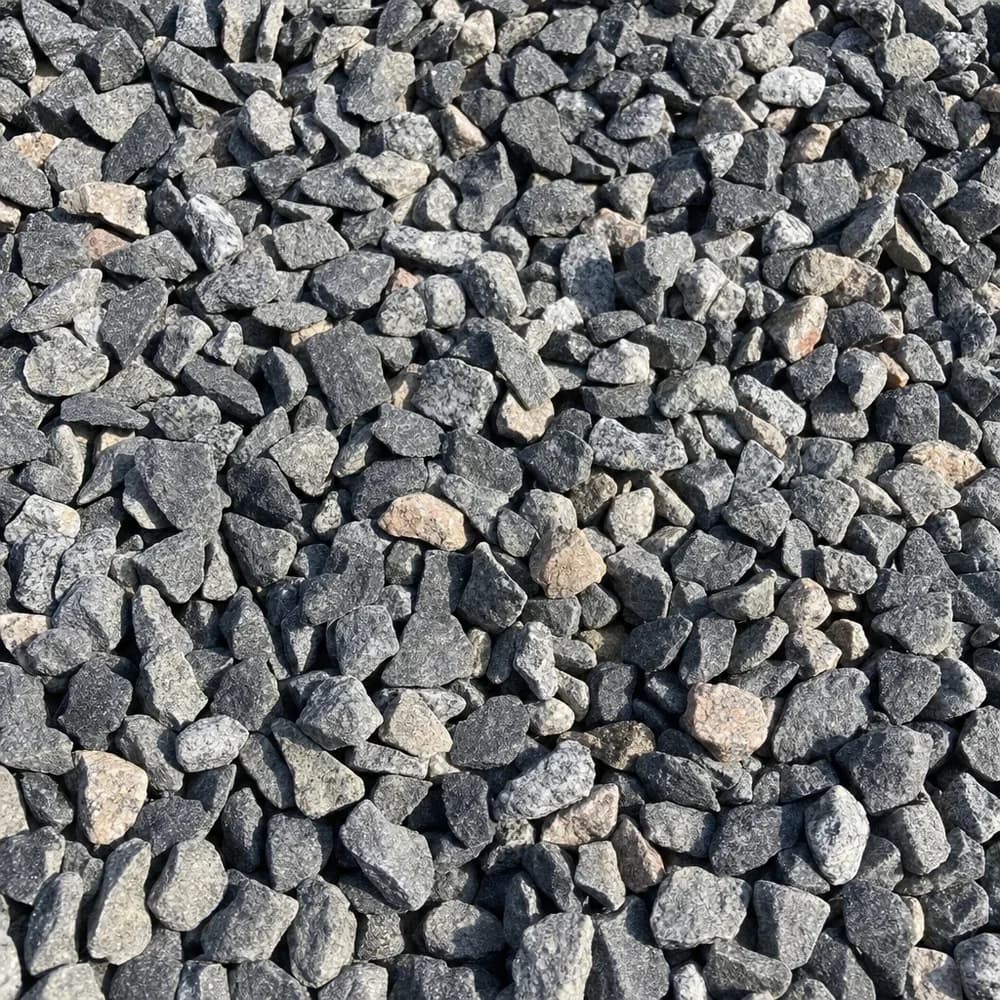
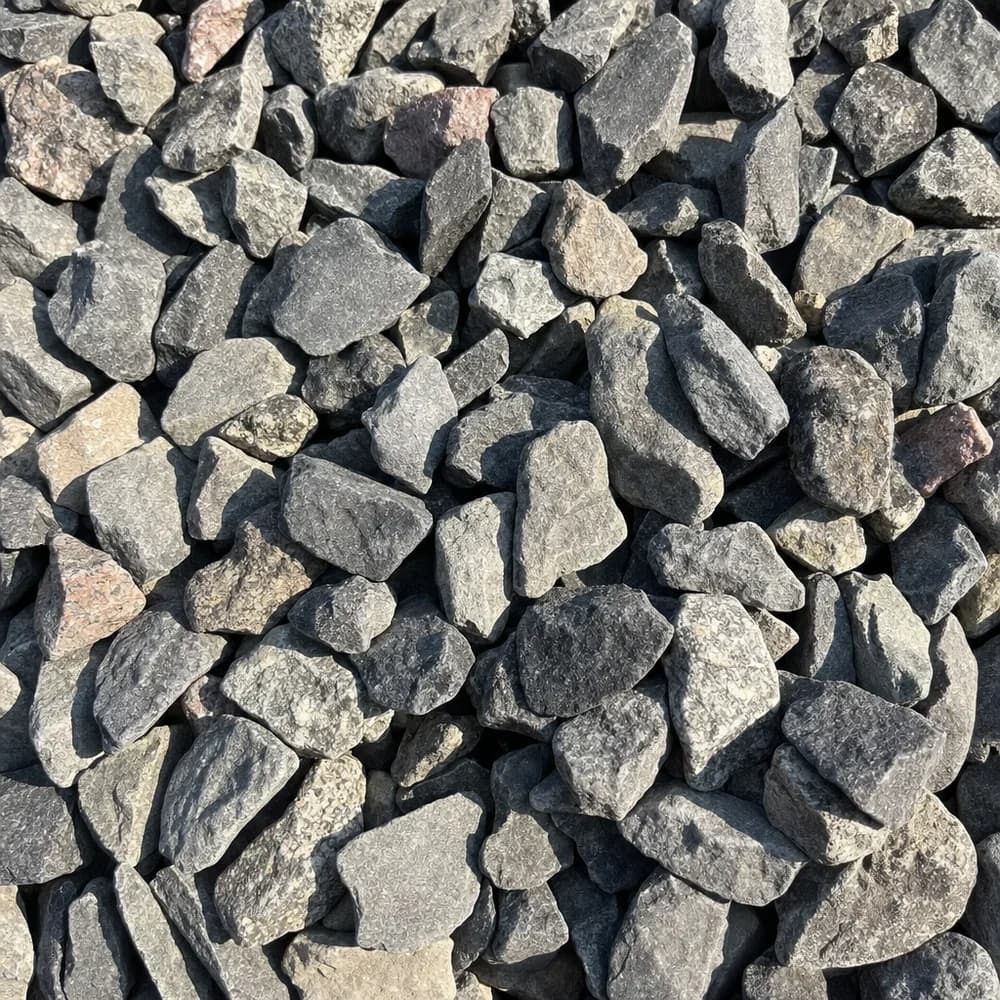
Choosing lighter stone for a runoff area is a common Connecticut mistake. RipRap protects banks, slopes, channels, and culvert outlets from moving water.
- Size: 4 inches to 12 inches and up
- Type: Large, heavy stone
From $423 for 1 ton, delivery included
Larger loads cost less per ton: 500 tons is $25,535 ($51.07 per ton). Pick any quantity below for a delivered price.
Free delivery included
Free delivery anywhere in Connecticut
Pick a delivery date
Weekday delivery, earliest Oct 20
Get a Free Quote
Fill out the form and our sales team will get back to you within the hour.
Size and Grading
- Size
- 4 inches to 12 inches and up
- Type
- Large, heavy stone
The decision in front of most people reading this is not really which stone to buy. It is whether the bank behind the house is going to get one more winter of patching or whether this is the year it gets armored properly. Riprap is what settles that: large, heavy stone from 4 inches to 12 inches and up, placed as a cover over ground that moving water is taking apart. It is sized to be too heavy for the flow to lift, and that is the entire mechanism.
Low water, workable ground, and the window before nor'easter season
Timing shapes this job here more than it shapes any other material on the site. The damage arrives with the spring thaw and snowmelt inland, and with coastal storms along the Sound, and both of those are seasons rather than single events. The repair has to happen between them.
The practical window is the stretch when the channel is low, the ground is thawed and firm enough to carry a loaded truck and a machine, and there is still time before the fall storms. Frozen ground rules out most of the winter, and a bank worked while it is saturated slumps under the machine before the stone is even placed. The Litchfield Hills and the Quiet Corner run later into the spring than the Shoreline does, so a job that is ready in April in one place can still be waterlogged in another.
If the work sits in or beside a watercourse, check with your town before you order. Getting that conversation started early is what keeps a summer window from turning into an autumn one.
What to settle before the ground softens again
Three things decide whether the repair survives its first storm, and all three are decided before any stone is bought.
The toe comes first. Water undercuts the base of a bank, and the face above slides once the base is gone, so the armor has to start below the level the flow is scouring at and work upward. Stone laid neatly on the face while the toe is left bare is stone waiting to fall into the channel.
Then the layer underneath. Glacial till and the silty ground along the inland streams will pull out through the gaps between heavy stones if nothing separates them, and the armor subsides into the hole it makes. A filter fabric or a graded filter layer keeps the soil where it is while letting water pass.
Then access. This is the heaviest material most properties ever take in, and the piece of it nobody plans for. The truck needs a route, a place to tip, and a way out, and on an older lot with a stone wall along the drive there may be exactly one line that works. We would walk that route before ordering rather than after.
Stream bank scour inland, storm surge on the Sound, and the culvert that keeps cutting out
Four places the stone earns its keep. A stream bank that loses another foot every time heavy rain lands on a thaw. A shoreline toe taking the surge from a coastal storm. A slope or embankment that has started to slide. And a culvert or pipe outlet, which is the one that turns up most, because a pipe takes the flow off a whole road or roof and fires it at one square yard of unprotected soil.
The common thread is concentrated moving water on bare ground. Where water is simply soaking through or standing, this is the wrong answer and an open drainage stone is the right one.
A playground, a boat pad and a lane: three requests this stone should not take
These come up, so they are worth answering plainly.
A playground surface wants something soft and fine, not 8 inch angular rock, and Mason Sand or a pea stone is where that conversation should go instead.
An RV or boat parking pad wants a compacted, load-bearing base. Heavy stone laid loose will rock under a trailer tire and will never pack down, so Processed Gravel is the material for it.
A long rural lane wants a graded surface that binds. Where riprap belongs on that lane is not on the running surface at all, but in the ditch along the low side and around the culvert that carries water under it.
Armoring 80 feet of ditch along a dirt lane
A hypothetical example, worked so the arithmetic is repeatable on your own measurements. Treat the ditch as a flat area equal to the covered width, which means up both sides as well as along the bottom.
An 80 foot run with about 5 feet of covered width, at 12 inches of stone: 80 x 5 = 400 square feet. 400 x 12/12 = 400 cubic feet. 400 divided by 27 = 14.8 cubic yards. This site's own published weight for rip rap and armor stone is about 1.55 tons per cubic yard, so 14.8 x 1.55 puts that ditch at roughly 23 tons, an approximate figure rather than an exact one.
The 12 inch figure is not arbitrary. The layer should be at least as thick as the largest pieces in it, or the stones sit on the ground instead of in a layer, and the first real flow rolls them out one at a time. Bigger flows and taller banks want bigger stone and a deeper layer, and once you are dealing with a real channel rather than a roadside ditch, have the section confirmed by an engineer instead of sizing it by eye.
Material is sold by the ton and the conversion from cubic yards depends on the density figure for this stone, so run your own measurements through the rip rap calculator and take the tonnage from there. Then choose the quantity and a date on this page, and clear the dump spot. Delivery is set by ZIP code at checkout and the driver needs firm, open ground to tip on, which near a bank is worth thinking about twice. If the approach is soft or tight, describe it through the contact page before booking.
What the first big blow moves, and what you put back
Armor stone settles. In the first season the pieces work down into each other and into the filter layer, and the surface loses a little height. That is the layer locking up rather than failing.
What you are watching for afterwards is different. Walk the work after the first heavy rain and again after the first coastal storm of the fall, and look at the toe, the two ends, and the ground immediately downstream of where the armor stops. Those are the three places a repair unravels, and all three are an easy fix in the first year and a rebuild by the third.
Quickly Calculate How Much You Need
Material: RipRap
How to Measure
Measure the length and width of your project area in feet
Decide on depth in inches (2" for landscaping, 4" for driveways)
Enter the values above and we'll calculate the tonnage you need
Need help figuring out the right amount? We can help!
Call or text us at (860) 891-3260 and we'll help you calculate the right quantity for your project.
Not sure how much you need? The Rip Rap Calculator has depth guides, coverage charts and worked examples for this material.