Gravel Guides for Ground With Ledge Under It
Three guides so far, and all three exist because the same ground keeps producing the same problems: rocky glacial till, bedrock close enough to the surface to spoil an excavation estimate, and 42 inches of frost working on whatever you build. Pick by the job rather than the date.
If the drive heaves or ruts every March
Start with the frost argument. It explains why the 42-inch frost line changes how a footing and a gravel base relate to each other, and why depth and compaction in the base matter more than extra concrete. The material itself is Processed Gravel.
If the patio is stripped and you are buying the bedding layer
The stone dust patio base guide takes the bedding layer on its own terms: the depth that works under pavers, the tonnage for a measured area, and why a patio does not need the frost allowance a drive does. The product is Stone Dust.
If someone has quoted you "process" and you are not sure what it is
The processed gravel guide sets out what the material covers per ton, what the local names mean, and where Crusher Run is the better choice.
Once the guide has settled the material, size the load on the calculators and set the tonnage, date and delivery ZIP on the product page. What the guides do not cover is usually in the common questions.
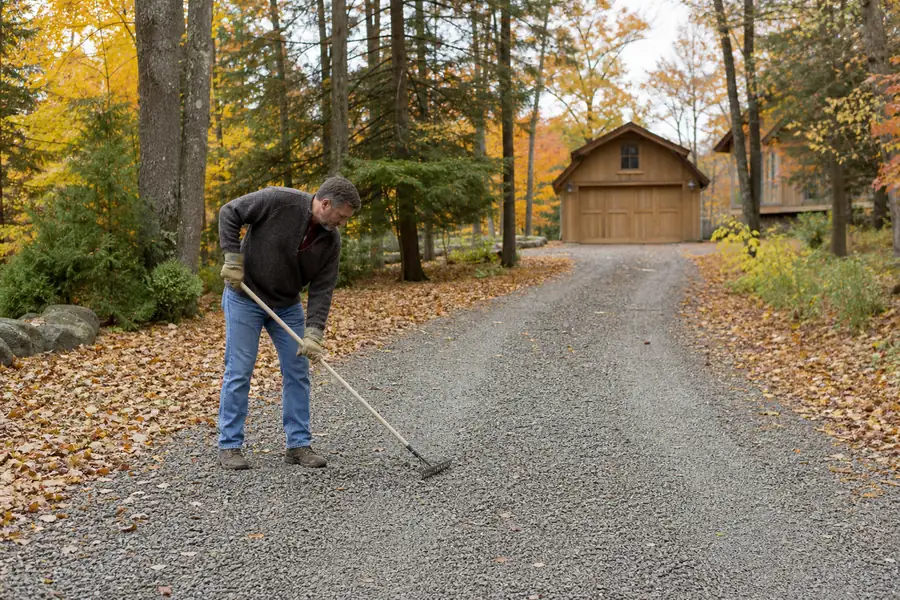
How to Prepare a Gravel Driveway for a Connecticut Winter (Fall Checklist)
Fall checklist for Connecticut gravel driveways: regrade, fill soft spots, set plow markers, stock sand and fix drainage before the ground freezes.
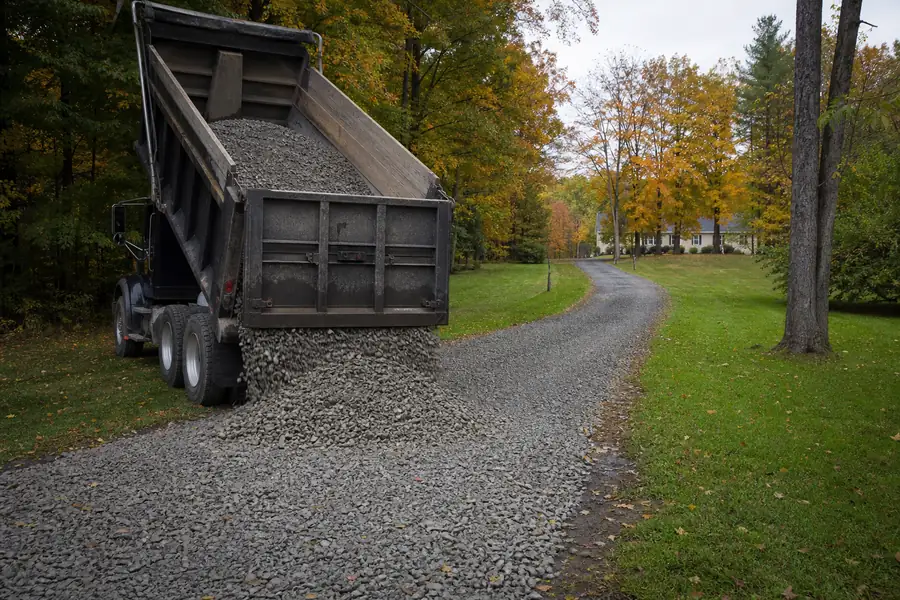
Gravel Driveway Cost in Connecticut: Price per Ton, per Foot and by Driveway Size
What a gravel driveway costs in Connecticut per ton, per foot and by driveway size, delivered. Includes resurfacing costs and gravel vs asphalt.
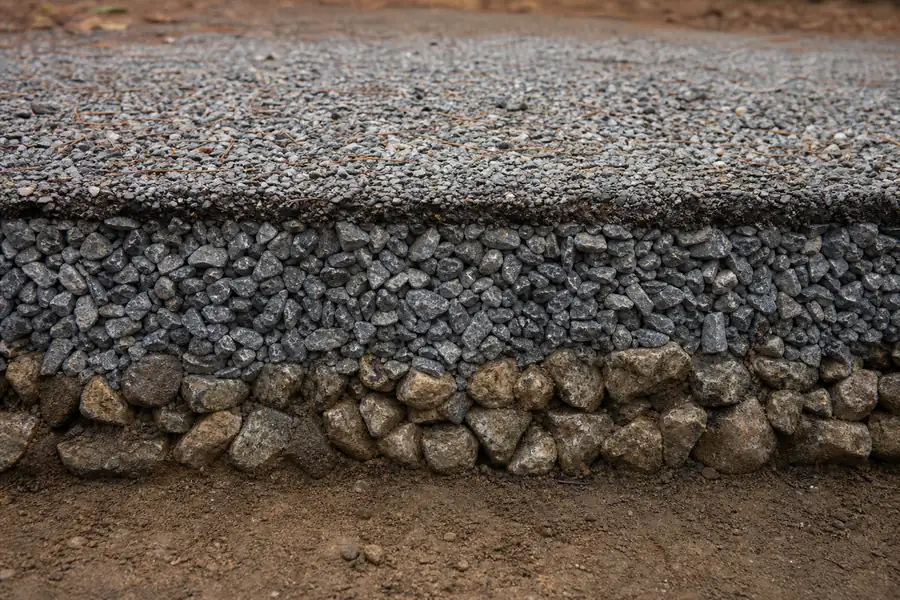
Gravel Driveway Layers and Depth: How Thick Each Layer Should Be
How thick each gravel driveway layer should be: sub-base, processed gravel base and 3/4 stone surface, with depths by traffic and a tons example.
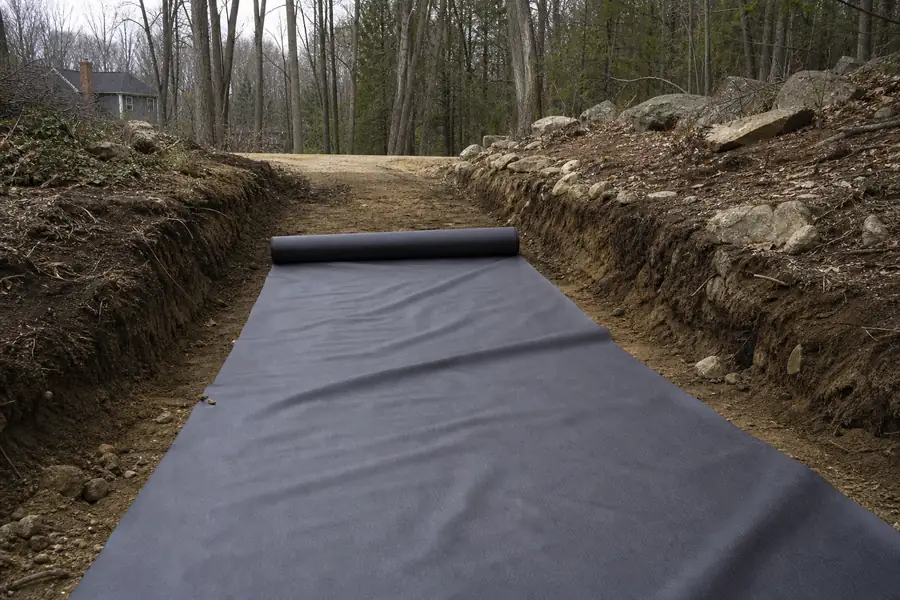
How to Build a Gravel Driveway That Lasts (Step-by-Step, With Layer Depths)
Step-by-step gravel driveway build: excavation, fabric, processed gravel base, 3/4 stone surface, crown and edging, with tons needed per 100 feet.
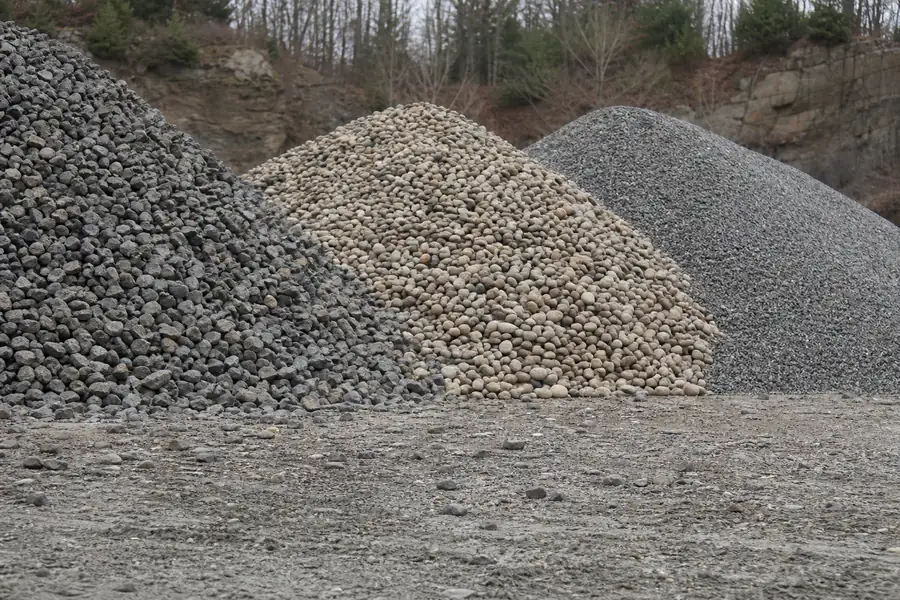
Best Gravel for Connecticut Driveways: 3/4 Process vs Trap Rock vs Pea Stone
Which gravel holds up on a Connecticut driveway: 3/4 process, trap rock, crusher run or pea stone. Compared for plowing, freeze-thaw and cost.
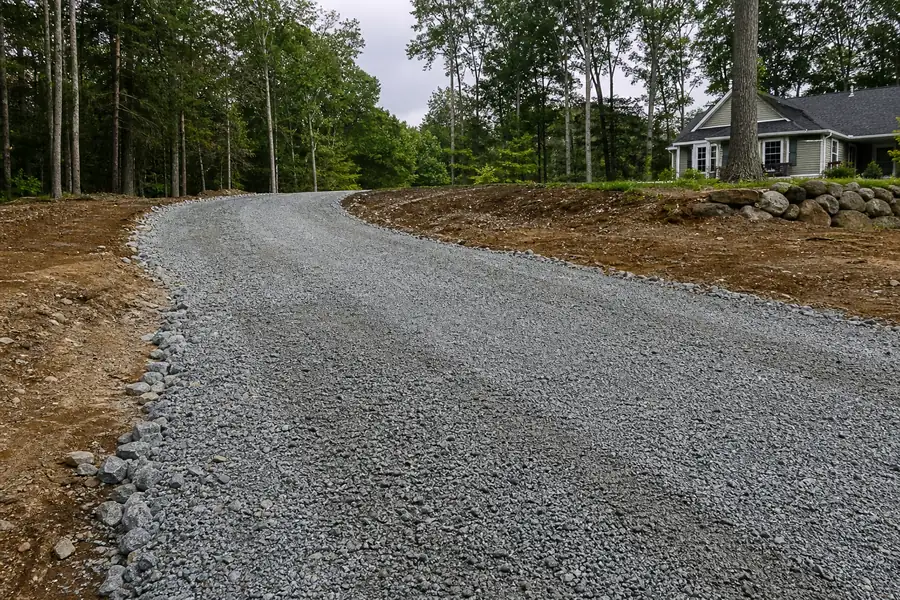
Why Connecticut Driveways Are Built for Frost First
A 42 inch frost line changes how footings and connecticut driveway frost depth planning work together, so a solid gravel base matters more than pouring extra concrete.
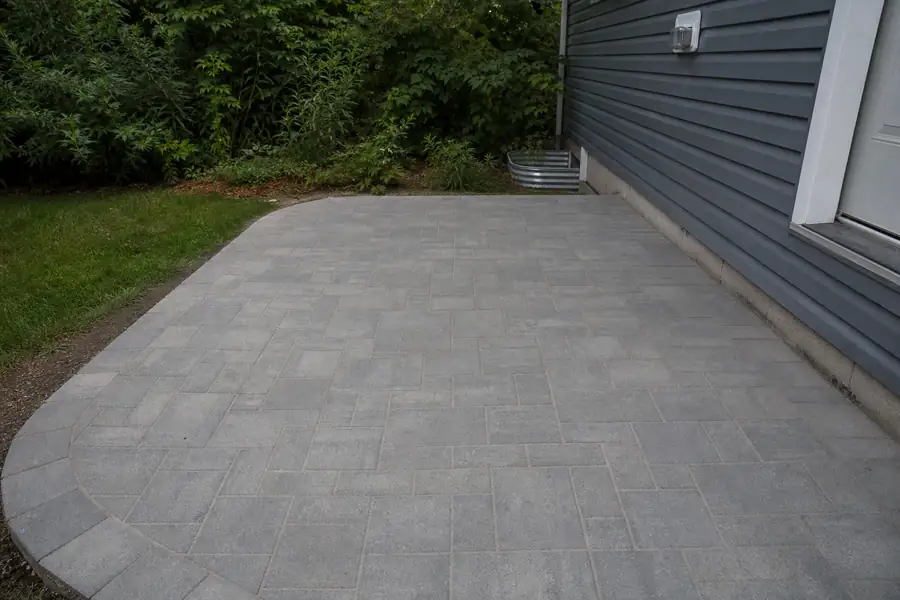
Stone Dust Patio Base in Connecticut: Depth, Tonnage and Frost
Figure out how deep to lay screenings, how many tons you need, and why Connecticut's frost depth matters less for a stone dust patio base than for a driveway.
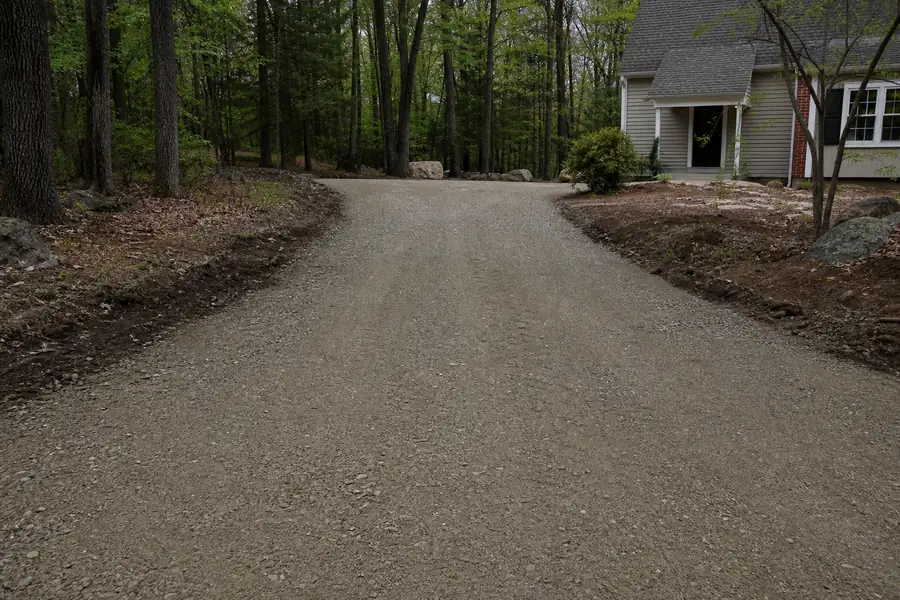
Processed Gravel in Connecticut: What It Is and How Much You Need
Ordering the right base for a driveway starts with knowing what processed gravel in Connecticut covers per ton, plus when crusher run works better.
Planning a Project?
Try our free calculator to estimate the material needed, or browse our products for gravel suited to your project.