Walkway Gravel for Connecticut Garden Paths and Side-Door Walks
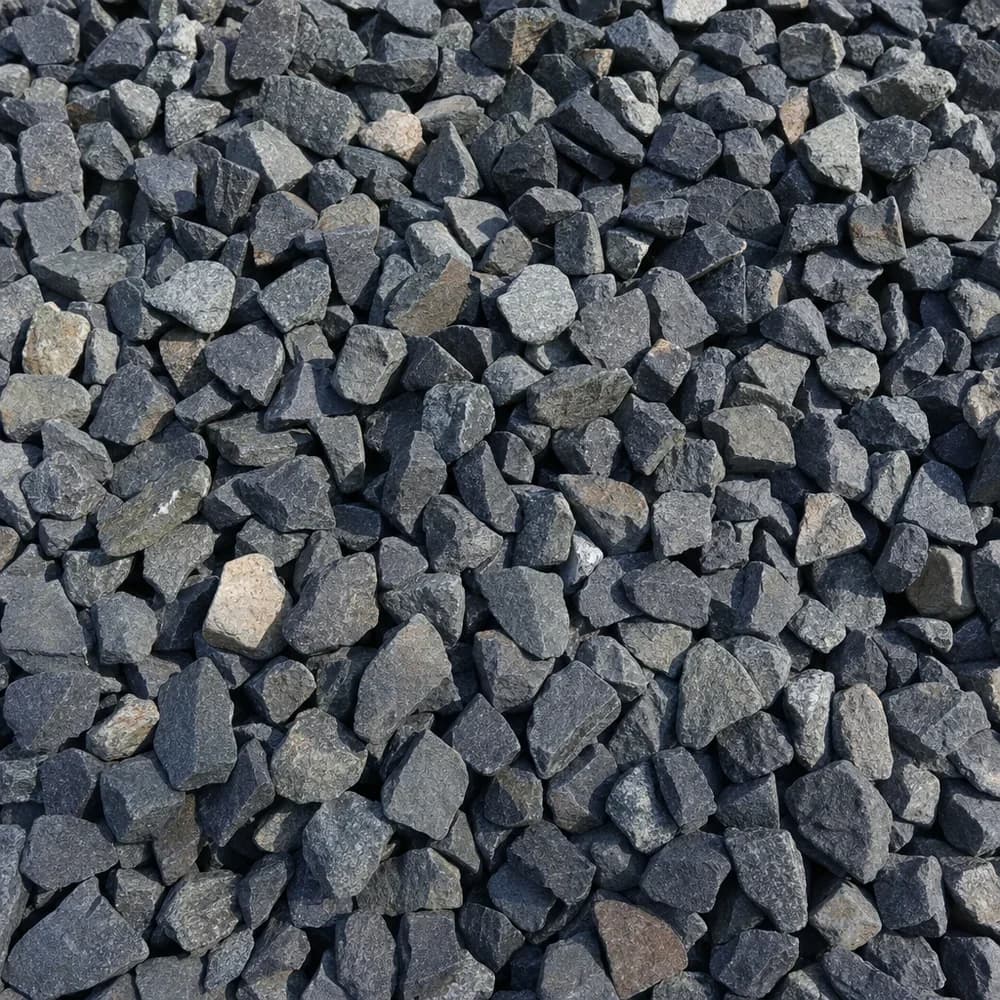
Walkway Gravel keeps a tidy, natural-looking surface along Connecticut garden paths, with drainage that helps water move through the walking area.
- Size: 3/8 inch
- Grading: Graded mix of stone sizes
- Type: Crushed stone
From $397 for 1 ton, delivery included
Larger loads cost less per ton: 500 tons is $24,460 ($48.92 per ton). Pick any quantity below for a delivered price.
Free delivery included
Free delivery anywhere in Connecticut
Pick a delivery date
Weekday delivery, earliest Oct 20
Get a Free Quote
Fill out the form and our sales team will get back to you within the hour.
Size and Grading
- Size
- 3/8 inch
- Grading
- Graded mix of stone sizes
- Type
- Crushed stone
The path that gets rebuilt most often is the one that was never really built. A load of stone goes straight onto the worn grass line between the driveway and the side door, it looks right for a month, and by the following spring half of it has disappeared into the mud underneath and the rest has spread into the lawn. Nothing was wrong with the stone. Walkway Gravel is a 3/8 inch crushed stone with a graded mix of sizes in it, and it will hold a path for years, but only if something is holding it.
Thawed ground to the first hard frost: when a path can actually go in
This is seasonal work here in a way it is not further south. Compaction needs ground that is neither frozen nor saturated, and in Connecticut that rules out the winter entirely and most of a wet spring.
The practical build window opens once the thaw is finished and the subgrade has dried enough to take a plate compactor without pumping, and it closes when the ground starts freezing at night. Late spring through to fall is the stretch. Within it, the drier months are easier for excavation and the cooler end of the season is easier on whoever is pushing the wheelbarrow.
There is a second reason to aim for the earlier part of that window. A path built in the spring gets a full season of foot traffic to settle it before its first freeze and thaw, which is when any weakness in the base shows up.
Stripping, edging and fabric before the ground closes up
The order of work is what separates a path that lasts from one that sinks.
Strip the route rather than laying over it. Grass, roots and soft topsoil compress, and a surface laid on them settles unevenly and holds water at the joint. Dig out the walking line to a depth that takes both the base and the surface course, and shape the bottom so it drains to one side instead of holding water along the middle.
Set the edges next, before anything goes in. A 3/8 inch stone has nothing holding it laterally, so the edges are the only thing standing between the path and the lawn. Timber, steel, set stone or a spade-cut trench edge all work, as long as they sit deep enough not to be lifted out of line by frost. Many older properties here already have a stone wall or a bed edge that can do the job for one side of the route.
Then fabric across the bottom, then the base course, compacted, then the surface. On ground that stays wet, the fabric is what stops soil and stone mixing over a few winters, which is the slow version of the same failure.
A playground approach, a boat pad and a farm lane: three asks, three answers
Three requests that come in for this material, with the honest answer for each.
The playground approach is a yes with a caveat. The path to a play area is a genuinely good use, because a crushed 3/8 stone drains and stays walkable in April. The play surface itself is a different material, and a softer, finer one such as 3/8 inch natural pea gravel or a washed sand suits that job better.
An RV or boat parking pad is a no. Nothing this size will carry a trailer tire, and the surface will rut on the first turn. A pad like that wants a compacted base of Processed Gravel built for the load.
A long rural lane is also a no, for the same reason. A lane carrying vehicles wants a binding material that packs down, not a light path stone. Where this material belongs on that property is the footpath alongside the lane, the walk to the barn, or the route from the parking area to the door.
Base and surface for a 60-foot path from the driveway to the side door
A hypothetical example, worked so the arithmetic carries over to your own path. Length times width times depth in feet, divided by 27.
Take a path 3 feet wide and 60 feet long: 3 x 60 = 180 square feet.
The base course at 4 inches: 180 x 4/12 = 60 cubic feet. 60 divided by 27 = 2.2 cubic yards of Processed Gravel. At this site's own published weight for road base, about 1.50 tons per cubic yard, 2.2 x 1.50 is roughly 3.3 tons, an approximate figure rather than an exact one.
The surface course at 2 inches: 180 x 2/12 = 30 cubic feet. 30 divided by 27 = 1.1 cubic yards of Walkway Gravel. At this site's own published weight for driveway and walkway gravel, about 1.40 tons per cubic yard, 1.1 x 1.40 is roughly 1.5 tons, again approximate.
Two courses, two materials, two separate numbers. The base is roughly twice the volume of the surface, which surprises people who came expecting to buy one load of path stone. Three feet is a comfortable width for a single walker; widen to four if two people walk it side by side or if a wheelbarrow uses the route.
Bulk material is sold by the ton and the conversion from cubic yards depends on the density figure for each material, so run both courses through the gravel calculator and take the tonnages from the tool rather than estimating them.
When you have the numbers, pick the quantity and a delivery date on this page. Delivery is arranged by ZIP code at checkout and the truck needs a clear spot to tip, which on a garden path job is usually the driveway. Work out the wheelbarrow route before the day. If the path is at the back of the property or through a gate, describe the access through the contact page first.
Raking the edges back, and what the plow leaves behind
A gravel walk asks for about an hour a year, most of it in spring.
Stone migrates toward the edges under feet, so raking it back into the middle once the ground has dried is the main job. Any hollow that holds a puddle wants a handful of material to bring it level, because a puddle in April is ice in December. Leaf litter from the previous autumn should come off rather than be left to break down into the silt that weeds root in.
The winter wears the path down rather than destroying it. A shovel or a plow blade run along a gravel walk takes stone with the snow and throws it into the beds, so a path along a plowed drive loses more material each winter than one through a garden. Plan on topping up the surface course every few years, and keep the edges honest, because once the edge opens the stone leaves faster than it wears.
Quickly Calculate How Much You Need
Material: Walkway Gravel
How to Measure
Measure the length and width of your project area in feet
Decide on depth in inches (2" for landscaping, 4" for driveways)
Enter the values above and we'll calculate the tonnage you need
Need help figuring out the right amount? We can help!
Call or text us at (860) 891-3260 and we'll help you calculate the right quantity for your project.
Not sure how much you need? The Gravel Calculator has depth guides, coverage charts and worked examples for this material.
Frequently Asked Questions About Walkway Gravel
Walkway Gravel delivery across Connecticut
- Bridgeport
- Stamford
- New Haven
- Hartford
- Waterbury
- Norwalk
- Danbury
- New Britain
- Fairfield
- Greenwich
- West Hartford
- Bristol