Driveway Gravel for a Connecticut Lane That Ruts Every Spring
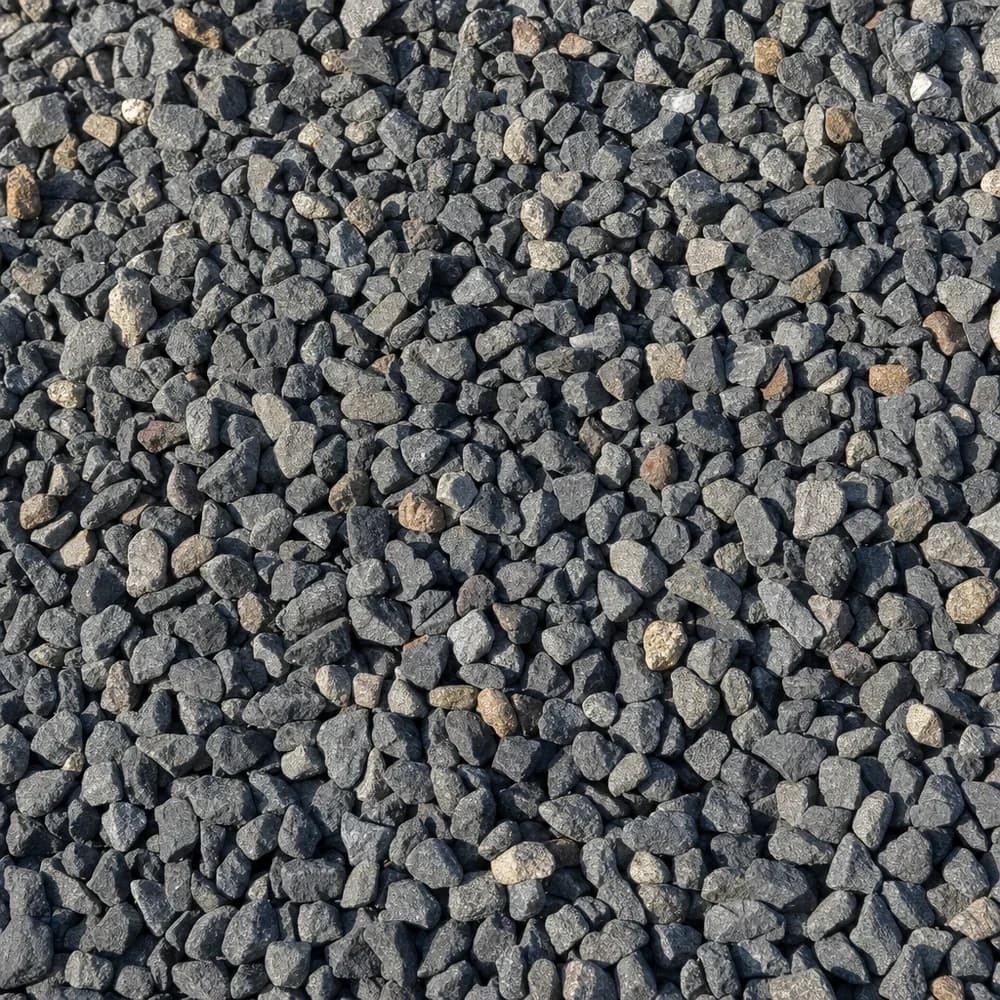
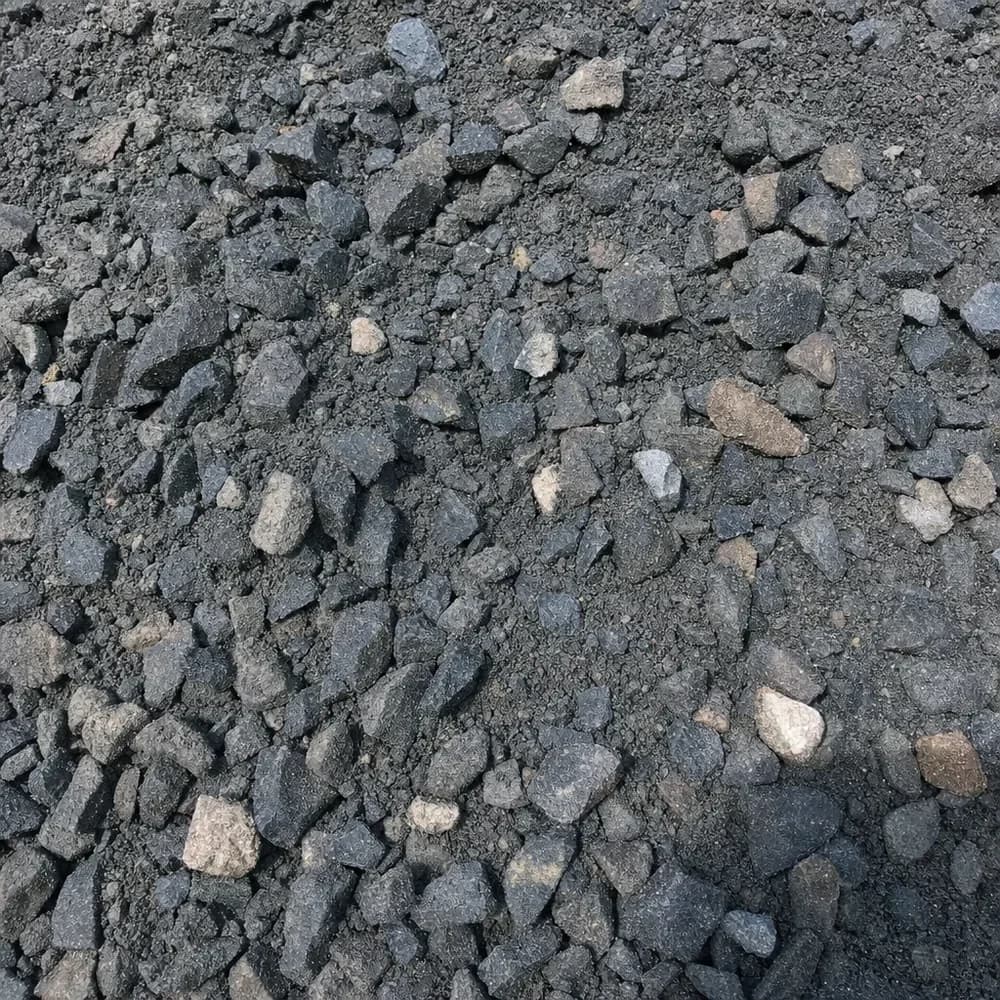
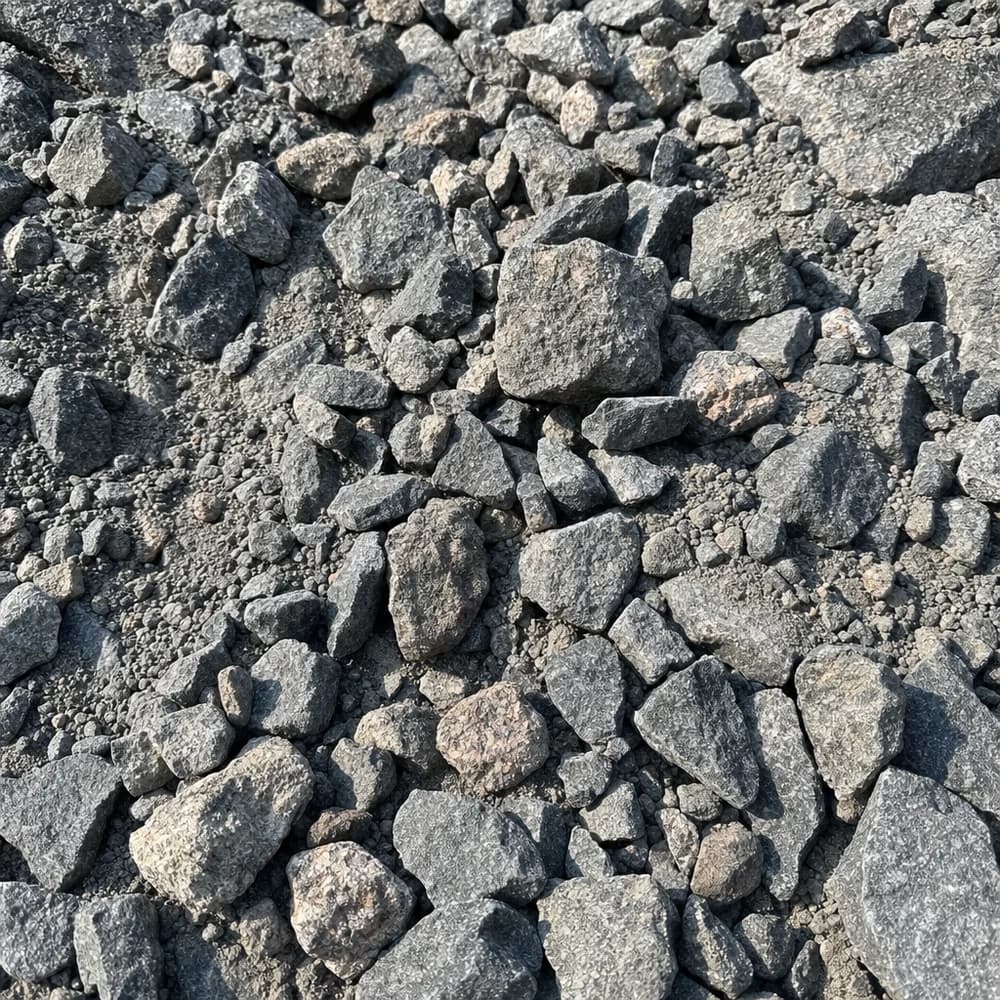
For a Connecticut driveway apron or parking area, Driveway Gravel packs into a firm crushed-stone surface for regular vehicle traffic.
- Size: 3/4 inch
- Grading: Graded mix of stone sizes
- Type: Crushed stone
From $389 for 1 ton, delivery included
Larger loads cost less per ton: 500 tons is $24,195 ($48.39 per ton). Pick any quantity below for a delivered price.
Free delivery included
Free delivery anywhere in Connecticut
Pick a delivery date
Weekday delivery, earliest Oct 20
Get a Free Quote
Fill out the form and our sales team will get back to you within the hour.
Size and Grading
- Size
- 3/4 inch
- Grading
- Graded mix of stone sizes
- Type
- Crushed stone
The choice in front of most people reading this is not which stone to buy. It is whether the drive needs a fresh surface course or a rebuild starting at the subgrade, and the answer usually sits in how deep the ruts go. Ruts a rake can close are a surfacing job. Ruts with bare subsoil showing along the bottom, or soft patches that move under a car through April, are telling you the layer underneath has stopped carrying anything. Driveway Gravel is a 3/4 inch crushed stone with a graded mix of sizes running through it, and it answers the first problem well. It will not fix the second on its own.
Ruts at the apron and bare patches after the plow: what driveway gravel puts back
Three failures show up repeatedly on older lots here, and they are not the same failure.
The apron at the town road takes turning and braking in a small area, so the surface there wears thinner than anywhere else on the property. That is a top-up: the graded mix goes back in, gets tightened, and the apron carries traffic again.
Washboard at a bend is a surface problem too, caused by a loose layer that never locked together. Raking and compacting with a fresh course over it usually closes it.
The third one is different. A soft patch that holds a tire print in spring, or a low spot that fills after every rain, means water is sitting under the stone. Adding a surface course over that traps the water and buys you one dry season at most. On that patch the drainage has to be dealt with first, using an open stone such as #4 Crushed Stone, before a surface goes back over the top.
Sideways water over ledge, and what it does to a surface course
Glacial till with ledge close underneath is the normal ground here, and it does something specific to a driveway: rain that would soak straight down in deep soil instead reaches the rock and runs sideways, often along the exact line the drive was cut into. The stone on top is not the thing that failed. It is sitting on ground that is wetter than anyone realized.
The graded mix in this material helps because the range of sizes lets the smaller pieces pack into the spaces between the larger ones. Tightened, the layer sheds most of the water that hits it rather than letting it soak down into the subgrade.
What it cannot do is hold a shape over ground that freezes and lifts. The frost line here sits around 42 inches, and repeated freezing and thawing is the reason a thin lift lets go. Anywhere the drive has to carry weight year round, the structural work belongs to a compacting base course such as Processed Gravel, with this material as the wearing surface over it.
Crowning the surface before the load lands, not after
Shape is decided before the truck arrives, and it is easier to grade the ground you already have than to grade several tons of loose stone.
Start by scraping the existing surface back into the center line, filling the low spots with what comes off the high ones. Work the crown in at this stage: the center of the lane wants to sit a little higher than the edges so water leaves sideways instead of running the length of the drive and cutting a channel. On a ten foot lane, an inch or so of rise at the center is enough to move water.
Clear the ditch line and the culvert ends at the same time. A blocked outlet puts water back under the drive, and no amount of surface stone compensates for that.
Then place the new material in a single even lift, rake it to the crown you set, and compact it. A plate compactor handles a footpath or an apron. For anything the length of a lane, a vibrating roller does a better job, and driving a loaded vehicle slowly over it in overlapping passes is the fallback. Compact damp rather than dry or soaked, which on most Connecticut properties means a settled week in late spring or early autumn.
The first winter, the plow blade, and an hour with a rake each spring
A new surface course goes through a settling season before it behaves. Expect some movement under tires for the first few weeks and a little dust in a dry stretch.
The plow is the annual argument. A blade set flat on a gravel drive takes stone off with the snow and stacks it along the bank. Shoes or skids on the blade, set to ride an inch above the surface, keep most of it where it belongs. The spring job is then raking the banked material back into the lane and filling whatever low spots appeared during the thaw.
Beyond that, a gravel drive wants a top-up course every few years, and any new soft spot investigated rather than buried. Nothing here needs sealing and there is nothing to crack.
A shoreline edge, a site entrance and a patio base: where this stone fits and where it does not
Three requests come up often, and they get three different answers.
A pond or shoreline edge is a no. Moving water and wave action will carry a 3/4 inch stone away, and the material for an edge that has to hold against storm surge or bank scour is RipRap.
A construction entrance is a qualified yes. The mud-shedding mat at the road itself wants something much coarser so tires can shed soil into the voids, but the access lane running back from it onto the site is exactly this material's job, laid over a compacted base.
A paver patio base is a no on both layers. The structural layer under pavers is a compacting base, and the setting bed in New England is Stone Dust, screeded and tamped. A graded 3/4 inch stone will not screed flat and will not hold a paver still.
Working out tons for a 90-foot lane and a 24 by 12 site entrance
Both figures below are hypothetical examples, worked so the arithmetic carries across to your own measurements. Length times width gives square feet, depth in inches divided by 12 turns that into cubic feet, and dividing by 27 gives cubic yards.
A resurfacing course on a lane 90 feet long and 10 feet wide, at 3 inches: 90 x 10 = 900 square feet. 900 x 3/12 = 225 cubic feet. 225 divided by 27 = 8.3 cubic yards.
A site access pad 24 feet by 12 feet, at 4 inches: 24 x 12 = 288 square feet. 288 x 4/12 = 96 cubic feet. 96 divided by 27 = 3.6 cubic yards.
This site publishes a working weight of roughly 2,800 lb per cubic yard for driveway gravel, which is about 1.40 tons per cubic yard. That figure is approximate. It puts the lane at around 11.6 tons and the access pad at around 5.0 tons.
Put your own lengths and depths through the gravel calculator rather than scaling those numbers, then pick the quantity and a delivery date here on the product page. Delivery is set by ZIP code at checkout and the truck needs a clear spot to tip into, which on a lane job usually means somewhere it can reach without turning on soft ground. If the access is tight or the lane crosses a culvert with a weight limit, describe the property through the contact page before you book a date.
Quickly Calculate How Much You Need
Material: Driveway Gravel
How to Measure
Measure the length and width of your project area in feet
Decide on depth in inches (2" for landscaping, 4" for driveways)
Enter the values above and we'll calculate the tonnage you need
Need help figuring out the right amount? We can help!
Call or text us at (860) 891-3260 and we'll help you calculate the right quantity for your project.
Not sure how much you need? The Gravel Calculator has depth guides, coverage charts and worked examples for this material.
Frequently Asked Questions About Driveway Gravel
Driveway Gravel delivery across Connecticut
- Bridgeport
- Stamford
- New Haven
- Hartford
- Waterbury
- Norwalk
- Danbury
- New Britain
- Fairfield
- Greenwich
- West Hartford
- Bristol