Crusher Run for Connecticut Drives, Pads and Paver Base
Also known as: bank run
Set Crusher Run beneath a Connecticut driveway apron or patio surface when the ground needs a tightly compacted base.
- Size: 3/4 inch minus
- Grading: Crushed stone blended with stone dust and fine particles
- Type: Angular crushed stone
From $382 for 1 ton, delivery included
Larger loads cost less per ton: 500 tons is $23,285 ($46.57 per ton). Pick any quantity below for a delivered price.
Free delivery included
Free delivery anywhere in Connecticut
Pick a delivery date
Weekday delivery, earliest Oct 20
Get a Free Quote
Fill out the form and our sales team will get back to you within the hour.
Size and Grading
- Size
- 3/4 inch minus
- Grading
- Crushed stone blended with stone dust and fine particles
- Type
- Angular crushed stone
Dig a test hole almost anywhere in this state and the story is the same: a thin skin of soil, then rocky glacial till, and often ledge sitting closer to the surface than anyone hoped. That ground does not drain the way a deep soil does. Water runs across it sideways, collects wherever the till dips, and then spends the winter freezing and thawing under whatever you built. Crusher run is the material people reach for when the answer to that ground is a layer that locks up and stays locked.
Three-quarter minus with the dust still in it
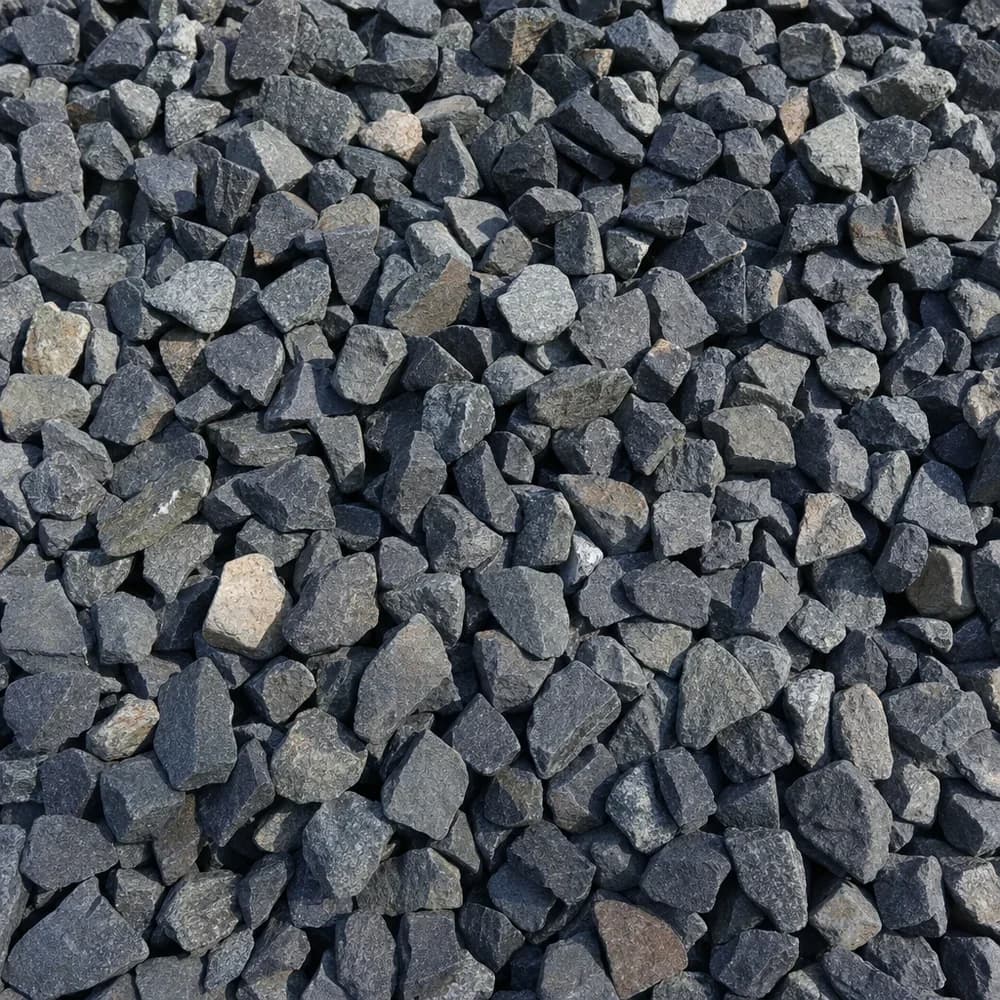
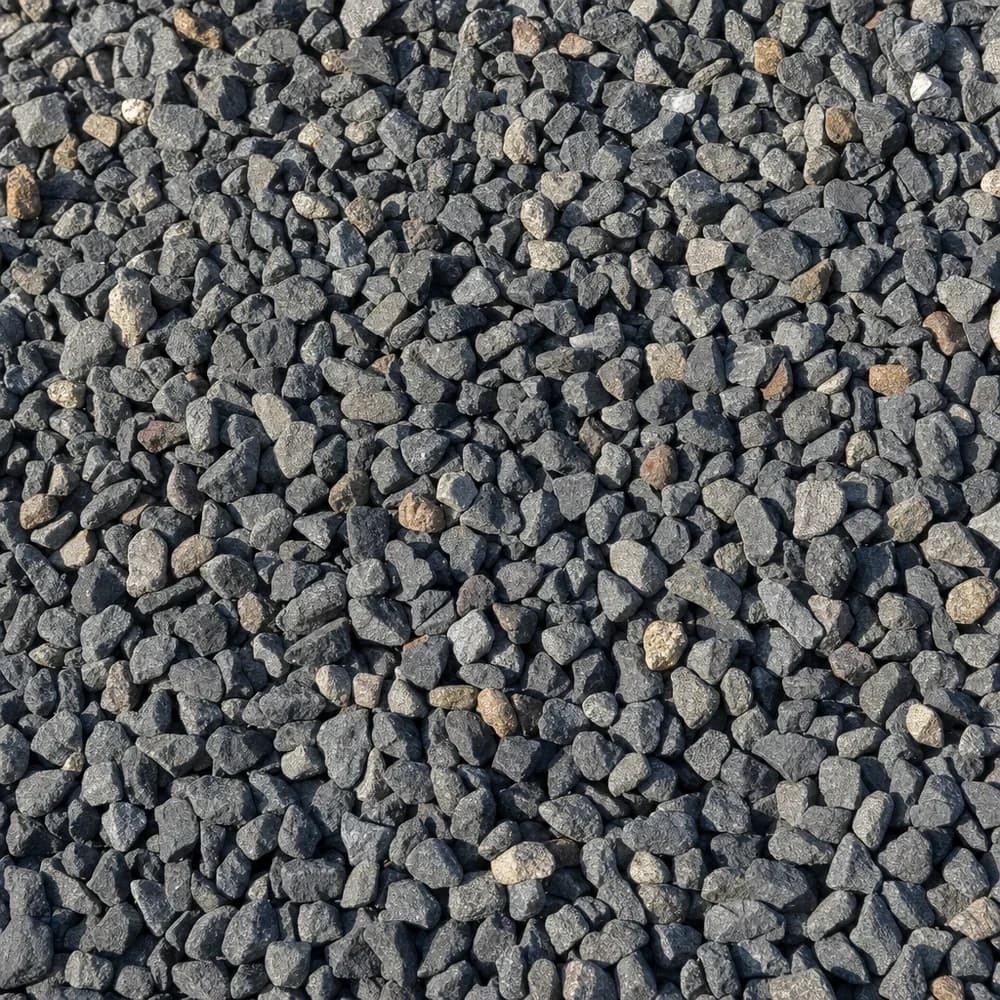
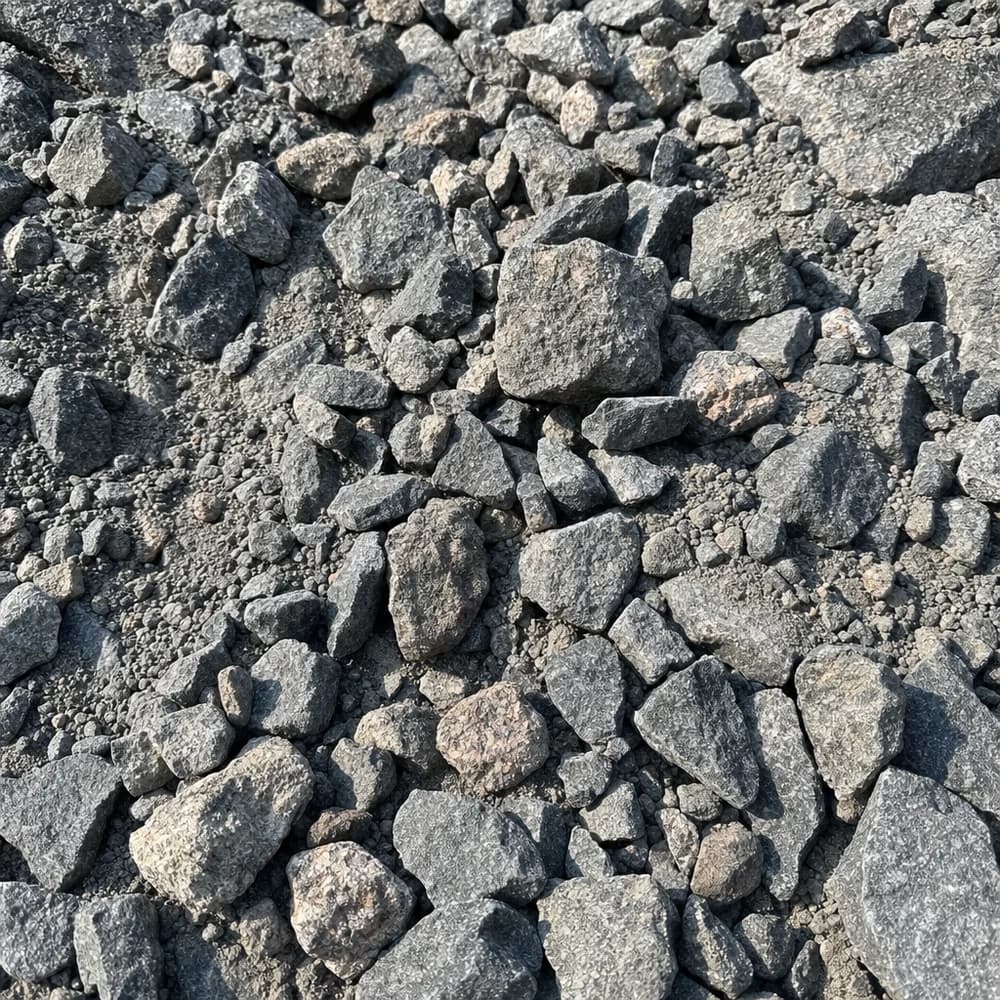
The size is three-quarter inch minus. The grading is crushed stone blended with stone dust and fine particles, and the type is angular crushed stone rather than rounded pit gravel.
Two of those three lines do the work. Angular means the faces are broken rather than worn, so pieces catch on each other instead of rolling past. Dust and fines still in the mix means the small material fills the gaps between the larger pieces as the layer is compacted, and once it has been dampened and rolled the fines knit through the stone and the course behaves as one piece rather than as loose rock.
A word on names, because it comes up. Around here a pit material that has not been crushed or screened gets called bank run, and that is a different thing entirely from this. If a supplier or a plan sheet says crusher run, it means crushed angular stone with its fines retained.
Where a binding stone fits on an older lot, and where it does not
Three jobs that come through the quote form regularly, and the honest answer for each:
| The job | Is crusher run right? | Why |
|---|---|---|
| A low spot or a yard regrade that will carry traffic | Yes | It compacts into a firm, load-bearing fill and holds the grade you shape into it. |
| A culvert outlet or a ditch lining | No | Moving water lifts the fines out and then picks the stone apart. That job wants heavy armor stone. |
| A xeriscape or rock garden bed | No | It is a dusty, binding material that packs hard and looks it. A decorative bed wants rounded river rock or pea stone. |
The useful test is whether the finished layer needs to be firm or needs to be open. Crusher run is the firm answer. Anywhere the point of the stone is to let water move through it or to be looked at, this is the wrong bag of tricks.
The other regular job is a shed, hot tub or gazebo pad, and there crusher run is doing what it does on a drive: spreading a concentrated load out across ground that will move with the seasons.
Till, ledge and 42 inches of frost working on a compacted layer
Frost depth here is about 42 inches, and the freeze and thaw repeats through the winter rather than arriving once. A residential base is nowhere near that deep, so it is not going under the frost. It has to survive the movement instead.
That is why the fines matter and why compaction is not optional. A densely compacted course has very little open space in it, so there is little room for water to sit and freeze. A course left loose has voids, the voids fill, and the first hard freeze lifts sections of it.
Two depths worth planning around. A layer that carries cars on a drive or a pad wants a good deal less than one that will take a loaded truck or an equipment trailer, and on soft or wet till both numbers go up. We would look at what the subgrade does in April before choosing either, because a deeper course on ground that stays saturated is still a course sitting on a sponge. Where the till holds water, intercept it before it reaches the pad rather than trying to out-build it.
Season is straightforward. Base and paver work runs spring through fall. Frozen ground will not compact, so the winter months are for measuring, not for rolling.
Bringing an 18 by 14 low corner back to grade
A hypothetical example, so you can follow the arithmetic with your own numbers. Length times width times depth in feet, divided by 27.
A sunken back-yard corner, 18 feet by 14 feet, brought up 5 inches: 18 x 14 = 252 square feet. 252 x 5/12 = 105 cubic feet. 105 divided by 27 = 3.9 cubic yards. This site's own published weight for crusher run and road base is about 1.50 tons per cubic yard, so 3.9 x 1.50 gives roughly 5.9 tons, which is an approximate figure rather than an exact one.
That is the volume of the finished, compacted layer. Material loses height as it is rolled, so order against the depth you want when the plate has finished, not against the loose pile. Bulk material here is sold by the ton, and converting yards to tons depends on the density figure for this blend, so run your own measurements through the crusher run calculator and take the tonnage from the tool rather than working it out by eye.
Booking a load onto a one-lane drive, and what to clear first
Once you have a quantity, pick it along with a delivery date on this page. Delivery is worked out by ZIP code at checkout, and the delivery page covers how that is arranged.
The part worth thinking about on an older Connecticut property is the dump spot. The truck needs a clear run in, room to raise a body without catching a limb, and a way back out, and a one-lane drive between a stone wall and a hedge gives you exactly one place where that can happen. Pick that spot before the day, get vehicles and trailers off it, and put the pile as close to the work as the truck can safely reach, because every yard you shift by wheelbarrow is a yard you have to shift twice.
Have the subgrade stripped and shaped before the load lands, not after. Material sitting on the lawn for a week kills the grass under it and turns to soup in a rainy spell. If the approach is genuinely tight, send the details through the contact page and the Connecticut Rock Supply team can go over it with you before you book a date.
Quickly Calculate How Much You Need
Material: Crusher Run
How to Measure
Measure the length and width of your project area in feet
Decide on depth in inches (2" for landscaping, 4" for driveways)
Enter the values above and we'll calculate the tonnage you need
Need help figuring out the right amount? We can help!
Call or text us at (860) 891-3260 and we'll help you calculate the right quantity for your project.
Not sure how much you need? The Crusher Run Calculator has depth guides, coverage charts and worked examples for this material.
Frequently Asked Questions About Crusher Run
Crusher Run delivery across Connecticut
- Bridgeport
- Stamford
- New Haven
- Hartford
- Waterbury
- Norwalk
- Danbury
- New Britain
- Fairfield
- Greenwich
- West Hartford
- Bristol