Mason Sand in Connecticut: The Fine Washed Sand, Not the Coarse One
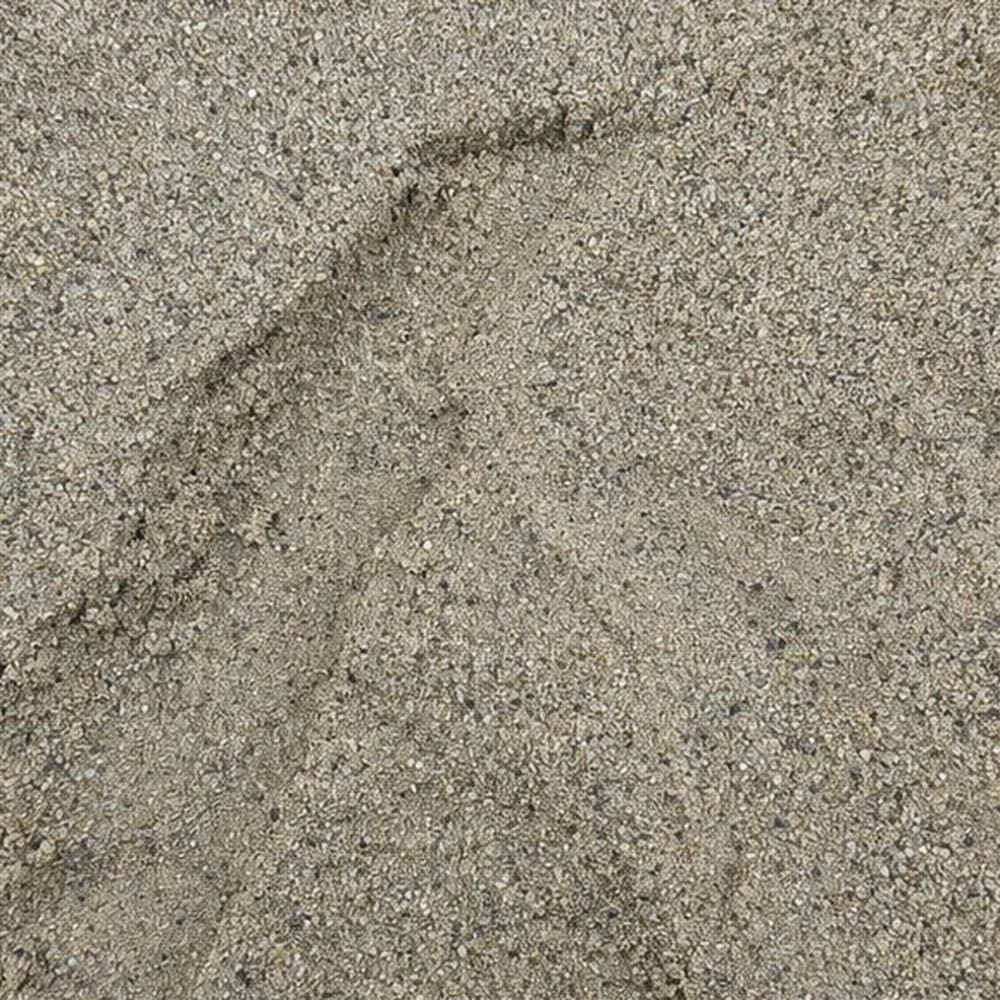
Once spread for a paver setting layer, Mason Sand provides a smooth, even finish for Connecticut masonry work, sandbox fill, and court surfaces.
- Size: Ultra-fine, consistent grain size
- Grading: Washed to remove clay, silt and organic impurities
From $466 for 1 ton, delivery included
Larger loads cost less per ton: 2000 tons is $87,160 ($43.58 per ton). Pick any quantity below for a delivered price.
Free delivery included
Free delivery anywhere in Connecticut
Pick a delivery date
Weekday delivery, earliest Oct 20
Get a Free Quote
Fill out the form and our sales team will get back to you within the hour.
Size and Grading
- Size
- Ultra-fine, consistent grain size
- Grading
- Washed to remove clay, silt and organic impurities
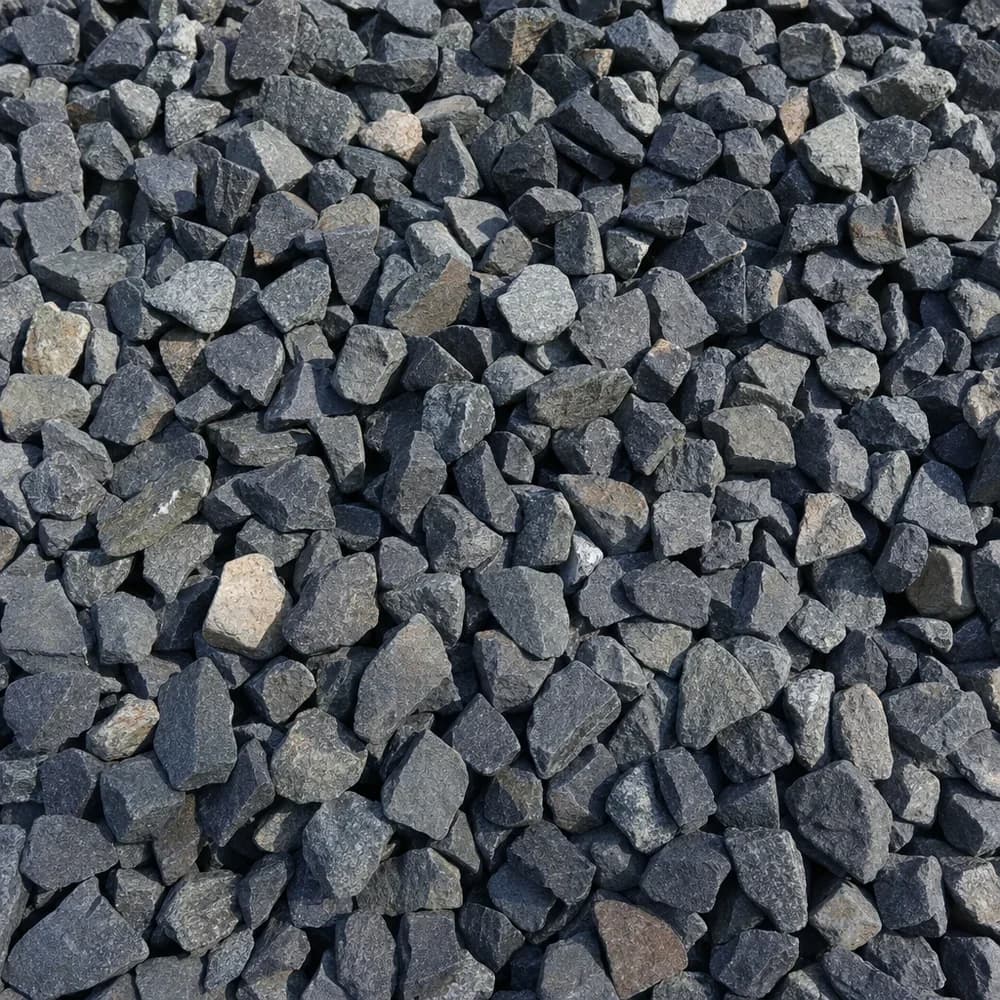
Run a handful of mason sand through your fingers and then do the same with the coarse sand from the next bay. The difference is immediate and it is the whole reason the two products exist separately. Mason sand is ultra-fine with a consistent grain size, washed to take out clay, silt and organic matter, so it feels almost soft and leaves no grit under a fingernail. The coarse material feels sharp, sounds different when you pour it, and has grains you can pick out individually. Order the wrong one and the job either will not trowel or will not hold.
Fine, washed and uniform: what that actually changes
Three properties, and each one changes how the sand behaves on site.
Uniform grain size means the material screeds to a flat plane and stays flat, because there are no oversize pieces riding up under the board. Fine grain means it works into narrow gaps that a coarser sand bridges over. And washed means the clay, silt and organic matter are gone, which matters twice: silt in a mortar mix makes the batch inconsistent, and organic matter in a play surface is the thing nobody wants their hands in.
What washing does not do is make it a draining material. Fine sand holds water between its grains, and on a Connecticut lot where glacial till already pushes water sideways, a fine sand layer placed over ground that stays wet will simply hold that water against whatever is above it.
Mortar, joints and a sandbox: the jobs the fine grain is for
In a mortar, stucco or grout mix, this is the fine aggregate. The uniform grain gives a batch that spreads evenly off the trowel and behaves the same way from one mix to the next, which is why a crew repointing an old brick walk will ask for mason sand by name rather than taking whatever sand is closest.
Under and between pavers, it is the setting layer and then the joint filler. Screeded flat, it gives every paver the same bed; swept into the joints afterwards, its fineness is what lets it reach the bottom of a narrow gap instead of sitting proud of it.
For a sandbox, a play area or a volleyball court, the washed, fine texture is the point. Sharp material and debris have been taken out in processing, so it is comfortable to kneel in and to fall on.
Three jobs people order sand for, and what each one really wants
A garden path is the first. The fine grain that makes this sand good in a joint makes it hopeless as a walking surface, because it holds a footprint, tracks indoors and washes off the route in the first downpour. The surface material for that job is Walkway Gravel, with the sand kept for the joints between any steppers set into it.
New lawn prep is the second, and it is the one that does the most damage. Mixing sand into a heavy native soil to improve drainage rarely improves anything, and on a till lot it often produces something denser than what you started with. A lawn wants screened top soil over a shaped subgrade, and the drainage problem wants a drain.
A hot tub pad is the third, and here the sand does have a role, but a small one. The pad itself is a compacted base of Crusher Run. The sand is only the thin screeded course that levels the surface of that base before the slab or the pavers go down.
Bedding depth on a Connecticut patio, and what a freeze does to a thick bed
A bedding course is thin on purpose. It exists to take out the last irregularity in the compacted base, not to make up for a base that was never leveled properly, and every extra inch of sand is an extra inch of material that can move.
That matters more here than in a mild climate. The frost depth in this state is about 42 inches and the freeze and thaw repeats all winter, so any layer that holds water is a layer that expands and contracts under your pavers. A thick sand bed holds more water, moves more, and shows up as a wavy patio by the second spring. Get the base right, screed the sand thin, and let the base carry the load.
The season follows the same rule as every other hardscape job here. Paver and base work runs spring through fall, and frozen ground stops compaction, so a bed screeded onto frost is a bed that resettles in April.
Sand for a 10 by 14 patio bed and an 8 by 8 hot tub pad
Two hypothetical examples, worked through so you can repeat the arithmetic. Length times width times depth in feet, divided by 27.
A patio bedding course, 10 feet by 14 feet at 1 inch: 10 x 14 = 140 square feet. 140 x 1/12 = 11.7 cubic feet. 11.7 divided by 27 = 0.4 cubic yards. At this site's own published weight for mason and washed sand, about 1.35 tons per cubic yard, 0.4 x 1.35 is roughly 0.5 tons, an approximate figure rather than an exact one.
A hot tub pad leveling course, 8 feet by 8 feet at 1 inch: 8 x 8 = 64 square feet. 64 x 1/12 = 5.3 cubic feet. 5.3 divided by 27 = 0.2 cubic yards. At the same approximate 1.35 tons per cubic yard, 0.2 x 1.35 is about 0.3 tons.
Small numbers, and that is the point: bedding sand is a thin layer over a much larger volume of base. Add a margin for what ends up swept into joints and for the screed rails, and remember the bed loses a little height when the pavers are compacted into it.
Material here is sold by the ton and the conversion from cubic yards depends on the density figure used for sand, so put your own measurements through the sand calculator and take the tonnage from the tool rather than guessing at it.
Washed Sand and Stone Dust, and when each takes over
Two neighbors on the same shelf. Washed Sand is the coarser material for leveling, bedding and base work under slabs, and it is what a concrete mix or a heavier bedding job asks for. Stone Dust is the New England habit under flatwork: crushed fines that compact tight under bluestone and pavers rather than staying loose the way a sand does.
Pick by what the layer has to do. Fine and loose for joints, mortar and play. Coarse for bedding that carries weight. Crushed fines where the bed itself has to be compacted.
When you know the quantity, choose it with a delivery date on this page. Delivery is arranged by ZIP code at checkout and the truck needs clear access to somewhere it can tip. If the drop spot is a long wheelbarrow run from the patio, send the details through the contact page first.
Quickly Calculate How Much You Need
Material: Mason Sand
How to Measure
Measure the length and width of your project area in feet
Decide on depth in inches (2" for landscaping, 4" for driveways)
Enter the values above and we'll calculate the tonnage you need
Need help figuring out the right amount? We can help!
Call or text us at (860) 891-3260 and we'll help you calculate the right quantity for your project.
Not sure how much you need? The Sand Calculator has depth guides, coverage charts and worked examples for this material.
Frequently Asked Questions About Mason Sand
Mason Sand delivery across Connecticut
- Bridgeport
- Stamford
- New Haven
- Hartford
- Waterbury
- Norwalk
- Danbury
- New Britain
- Fairfield
- Greenwich
- West Hartford
- Bristol