Best Gravel for Connecticut Driveways: 3/4 Process vs Trap Rock vs Pea Stone
Connecticut driveways take a beating that a bag label never mentions: a 42 inch frost line, a plow blade twice a winter, and glacial till that drains sideways instead of down. The best gravel for a driveway here is rarely one product. It's a layered system built from stone that locks under load and sheds water instead of trapping it.
Get the base wrong, and the surface stone on top of it won't matter. Get the surface stone wrong, and a plow blade will redistribute your driveway across the lawn by February. Here's how 3/4 process, trap rock, crusher run, #57, 3/8 stone, pea stone and river rock actually perform once the ground freezes.
What's the Best Gravel for a Connecticut Driveway?
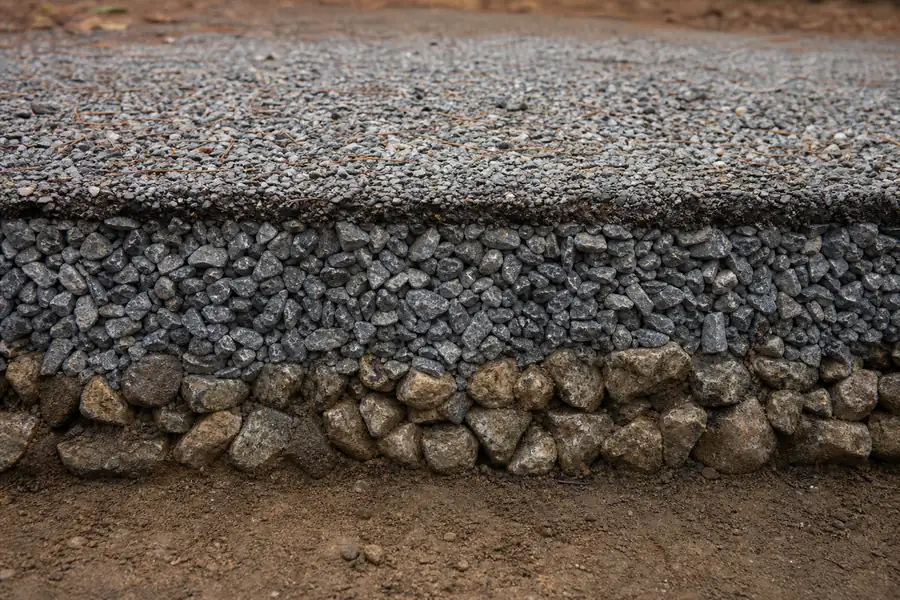
The best gravel for a driveway in Connecticut is a two-layer system, not a single product: 4 to 6 inches of compacted processed gravel for the base, topped with 1.5 to 2 inches of trap rock or crusher run for the surface you actually drive on. That combination answers the two forces no single stone handles alone: a 42 inch frost line that heaves anything under-built, and a plow blade that scrapes away anything too round or too light to stay locked in place.
If you'd rather order one blended mix for a simpler job, driveway gravel is sold here as a single product that splits the difference between base and surface. For the full math on how deep to dig before frost works against you, see our guide to Connecticut driveway frost depth.
Processed Gravel: The Base Course Every Driveway Needs
Processed gravel, sold here as road base, is crushed stone blended with stone dust so it compacts into a dense, load-bearing mat instead of staying loose. Spread it 4 to 6 inches deep and compact it in 2 inch lifts, and it resists the heaving that cracks asphalt and shifts pavers when frost works its way 42 inches into glacial till.
Skip the base, or skimp on its depth, and no surface stone fixes the problem. Water that can't drain sideways through packed till will sit under a thin driveway and push it apart every spring thaw. Our guide to processed gravel in Connecticut covers compaction specs and lift depths in more detail.
Trap Rock vs Crusher Run for the Driving Surface
3/4 inch trap rock is the better driving surface for a Connecticut driveway because its angular, crushed basalt edges lock together instead of rolling the way rounded stone does, and it sheds water instead of holding it against the base. Sold here as 3/4 inch trap rock, it's quarried from the same basalt ridges that run through the Litchfield Hills and the Hartford basin, and its sharp face bites into compacted road base rather than sliding across it.
Crusher run is a cheaper alternative that blends crushed stone with fines, similar in behavior to processed gravel but coarser underfoot. It compacts well and takes a plow blade reasonably well, but it carries more fines than trap rock, so it can go soft and track mud into a garage during spring thaw. Trap rock costs more per ton; crusher run costs less and asks more of you at the shovel come March.
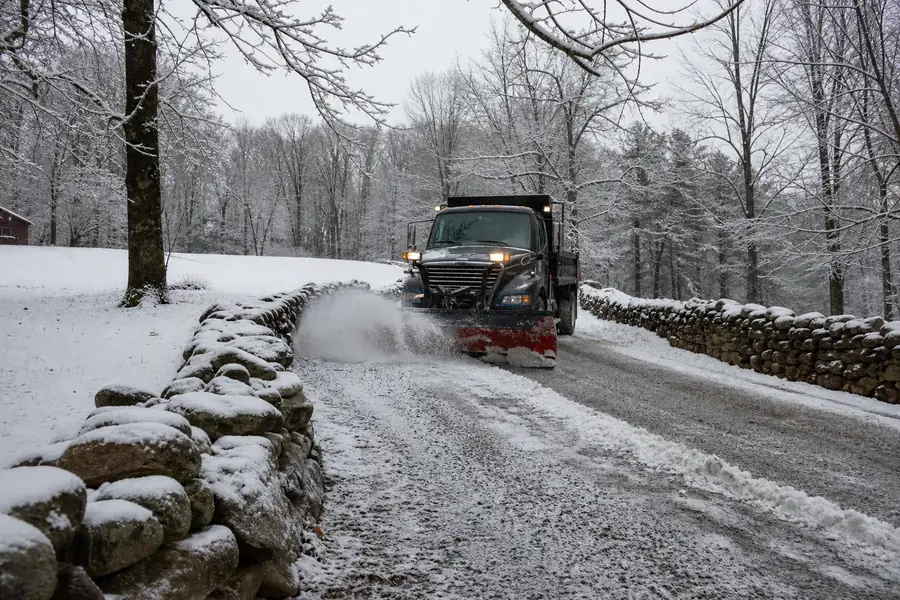
Plow Damage and Freeze-Thaw: Why #57, 3/8 Stone, Pea Stone and River Rock Fall Short
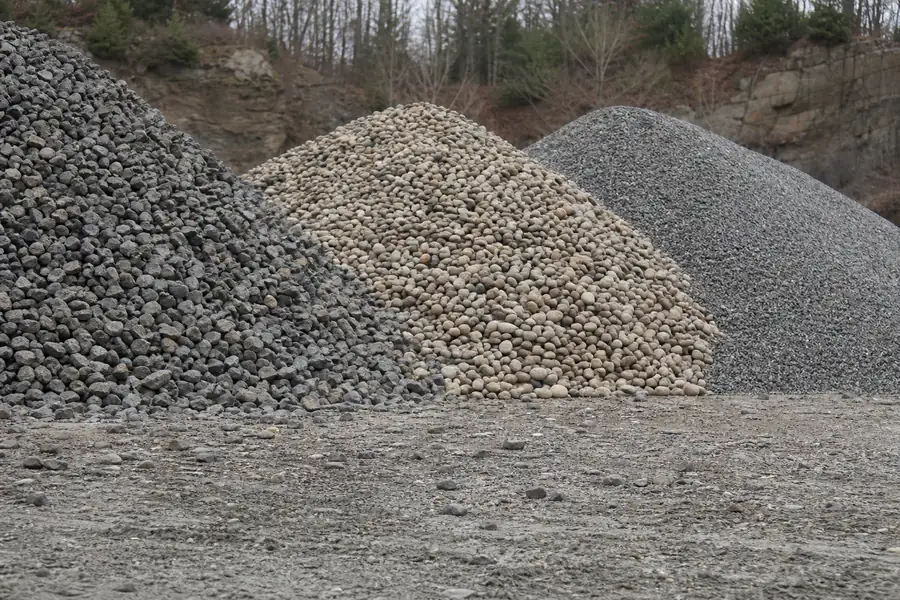
#57 stone, 3/8 inch stone, pea stone and river rock all fail the same test: a plow blade needs something to grip, and loose, rounded, or single-size stone gives it nothing. #57 stone is clean and single-size with no fines to lock it together, so a plow shoves it into windrows along the edge of the driveway after every storm. 3/8 inch stone is too small to resist that same shove and migrates into the lawn and the storm drain within a season.
Pea stone and river rock are rounded, river-washed material, and rounded stone never interlocks the way crushed stone does. It rolls under tires, sinks into soft spots in wet weather, and gives a plow blade no edge to catch, so the first heavy snow pushes it into berms instead of leaving it on the driveway. Freeze-thaw cycling makes this worse: water sits in the round gaps between smooth stones, freezes, and shoves the whole layer sideways each time it thaws.
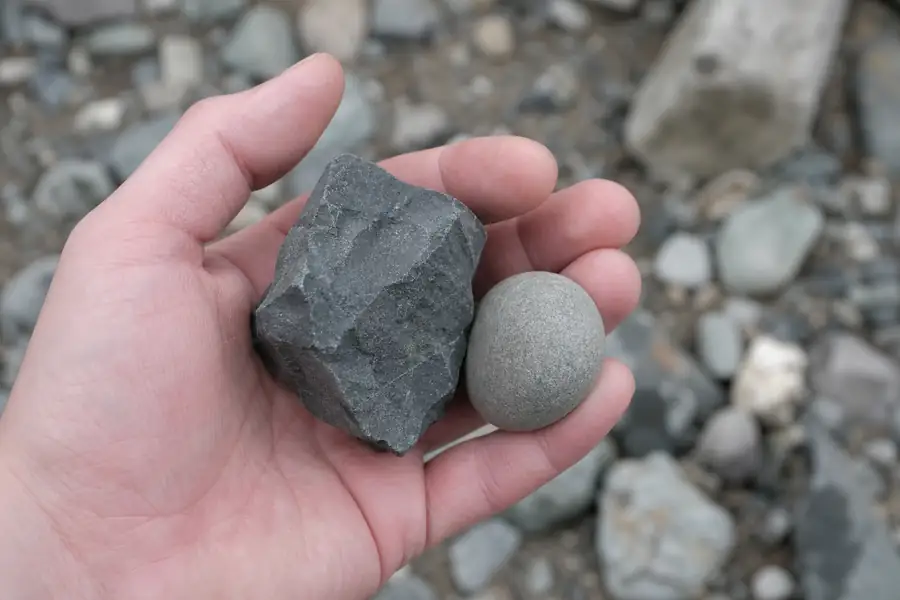
Best Gravel for Driveway: Decision Table
The table below lines up compaction, drainage and plow performance side by side so you can match the stone to the layer it belongs in.
| Material | Compaction | Plow Resistance | Best Use |
|---|---|---|---|
| Processed gravel (road base) | Excellent | Good (base only) | Driveway base, 4-6 in |
| 3/4 inch trap rock | Good | Excellent | Top course, 1.5-2 in |
| Crusher run | Good | Good | Budget top course |
| #57 stone | Poor | Poor | Drainage, not surface |
| 3/8 inch stone | Fair | Poor | Fine top-dress, low traffic |
| Pea stone | Poor | Very poor | Walkways, not driveways |
| River rock | Poor | Very poor | Decorative borders |
FAQs
What is the best gravel for a Connecticut driveway top layer?
3/4 inch trap rock is the best top-layer gravel for most Connecticut driveways because its angular, crushed edges lock together and resist plow blades better than rounded stone. Crusher run is a reasonable lower-cost alternative, though it holds more fines and can go soft during spring thaw.
How deep should the gravel base be for a driveway in Connecticut?
Most Connecticut driveways need 4 to 6 inches of compacted processed gravel as a base, placed in 2 inch lifts before adding the top course. That depth resists the heaving caused by a 42 inch frost line and gives the surface stone something solid to sit on.
Can I use pea stone or river rock for a driveway?
Pea stone and river rock are not recommended for driveways because their rounded shape rolls under tires and migrates badly under a plow blade. They work well for walkways, borders and decorative beds, just not for a surface that sees regular vehicle traffic or snow removal.
Does crusher run work as a driveway surface on its own?
Crusher run can work as a stand-alone surface on a low-traffic driveway, but it performs best over a compacted processed gravel base rather than directly on soil. Without that base, it still heaves with frost and ruts faster under regular vehicle weight.
How often do I need to add new gravel to a driveway?
Most gravel driveways in Connecticut need a fresh 1 to 2 inch top-up of surface stone every 2 to 4 years, more often if the driveway gets plowed regularly. The base layer, if built to proper depth, generally lasts the life of the driveway without replacement.