#89 Crushed Stone in Connecticut: The One With the Fines Left In
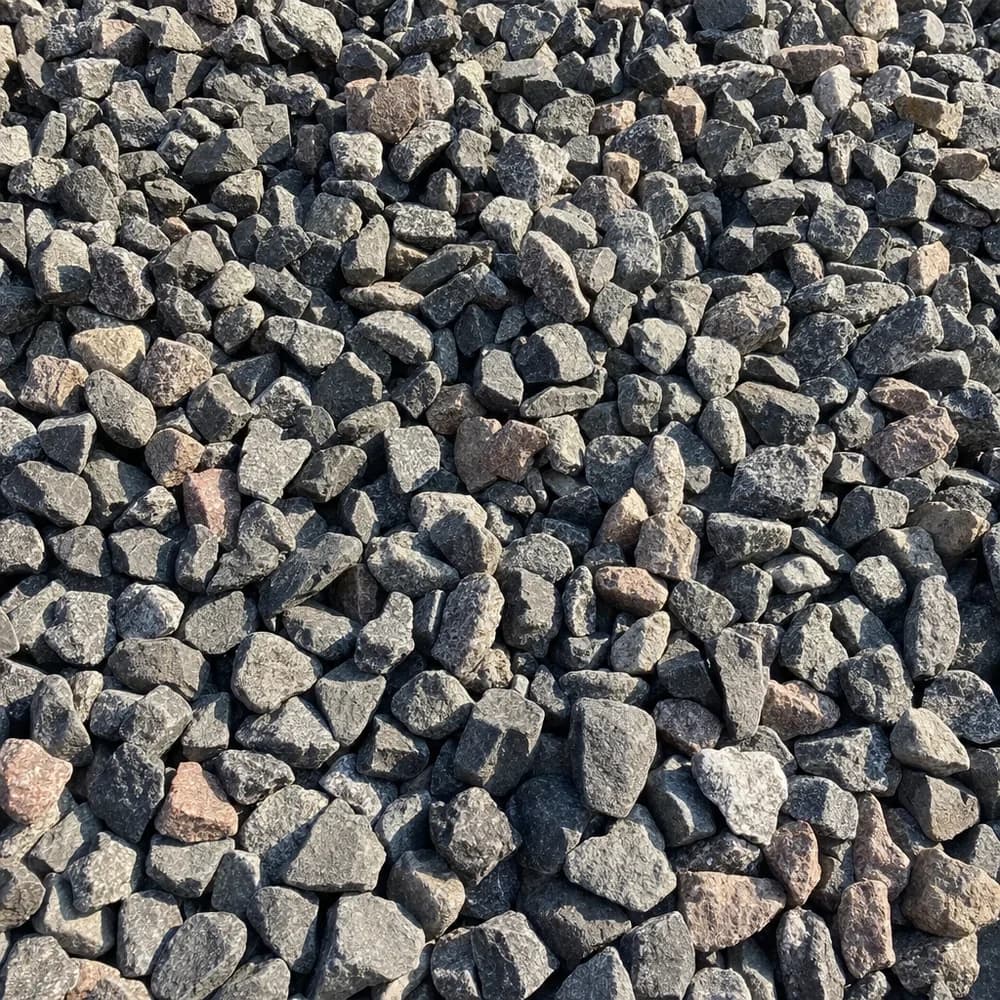
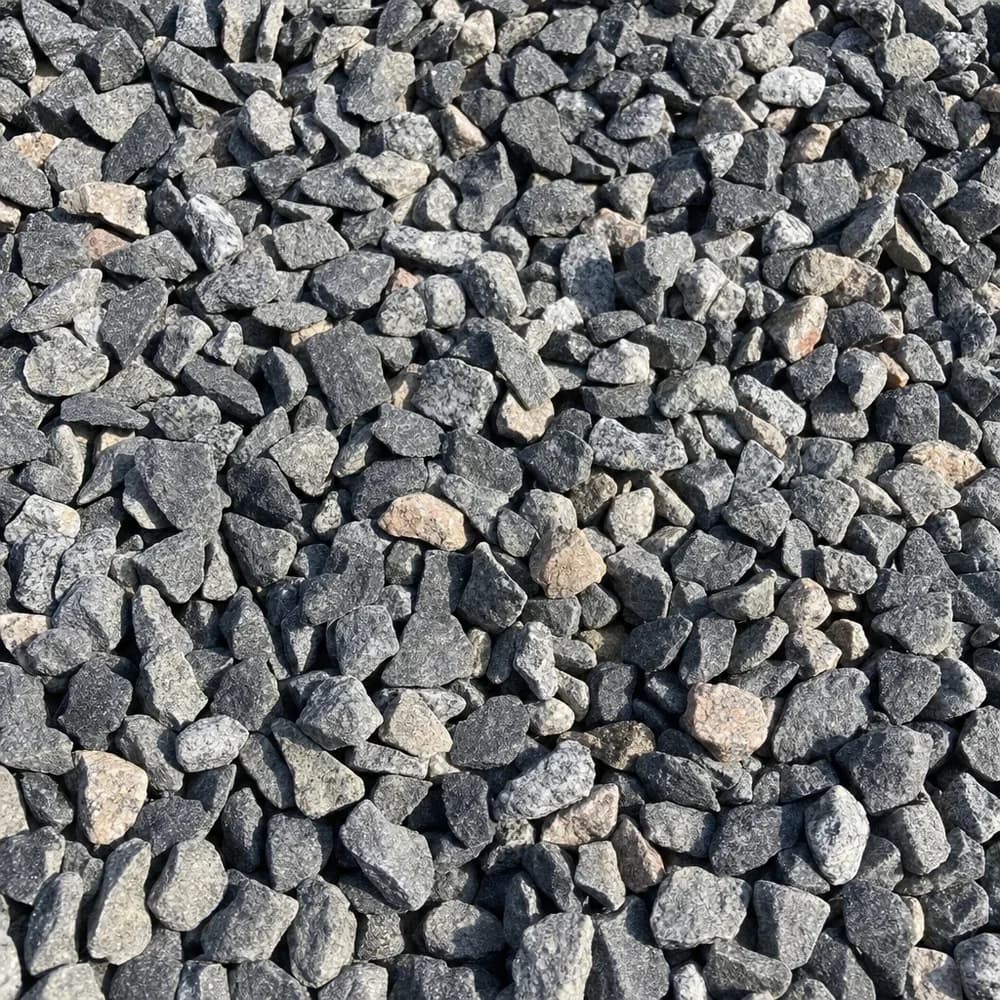
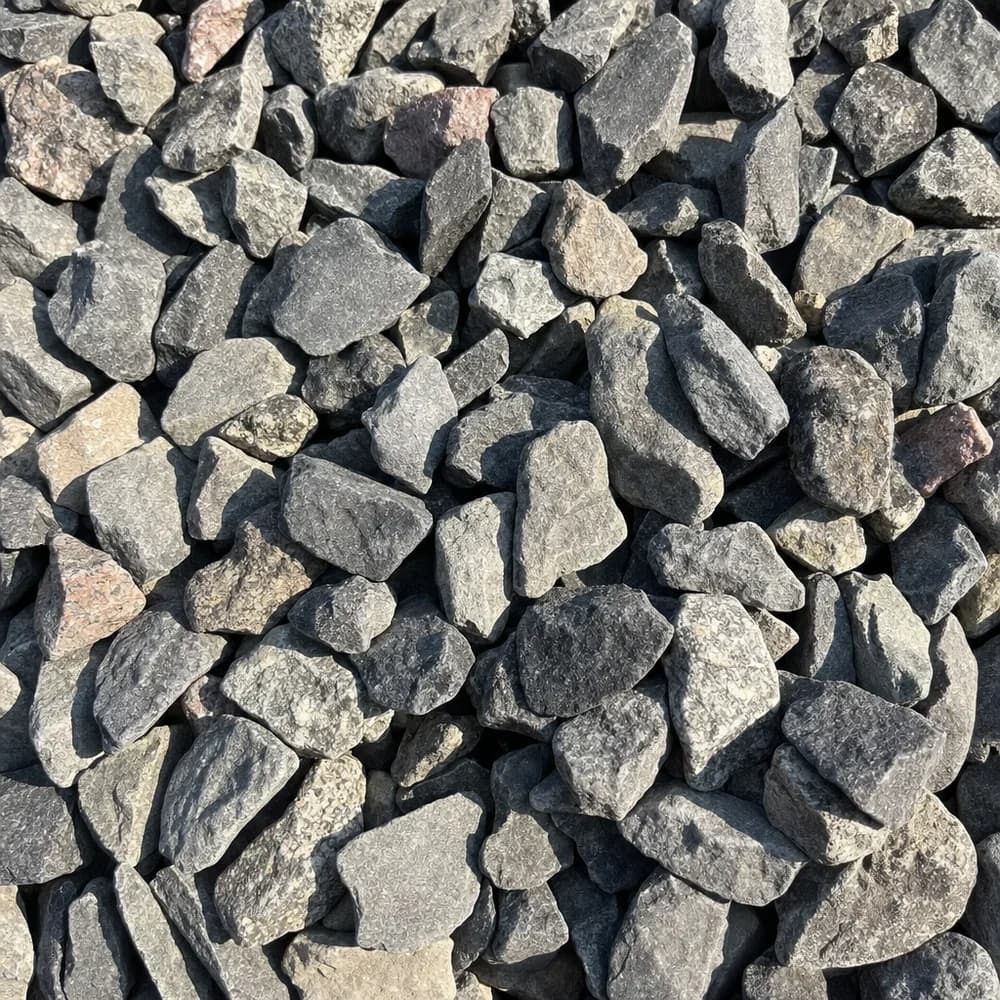
#89 Crushed Stone has an angular, fine texture that packs into paver joints and flagstone bedding for Connecticut patio and hardscape work.
- Size: About 3/8 inch down to fines
- Grading: #89, carries some fines
- Type: Angular crushed stone
From $423 for 1 ton, delivery included
Larger loads cost less per ton: 500 tons is $25,535 ($51.07 per ton). Pick any quantity below for a delivered price.
Free delivery included
Free delivery anywhere in Connecticut
Pick a delivery date
Weekday delivery, earliest Oct 20
Get a Free Quote
Fill out the form and our sales team will get back to you within the hour.
Size and Grading
- Size
- About 3/8 inch down to fines
- Grading
- #89, carries some fines
- Type
- Angular crushed stone
On an older property around here the flagstone is usually already on site, lifted off a settled path or salvaged out of a wall, and the only real question is what goes under it and between it when it goes back down. That is where #89 crushed stone gets ordered, and where it gets confused with three other small gray piles. The thing that separates it is grading: about 3/8 inch down to fines, angular, carrying enough dust to knit rather than staying open.
#89 crushed stone against stone dust, #8 chips and 3/8 inch stone
Four piles, two families. Two of them have fines and two do not, and that single fact decides every job.
Stone Dust is a quarter inch minus, fine all the way through, with nothing large left in it. It screeds dead flat and locks hard, which makes it the classic New England setting bed under bluestone and pavers. What it has not got is any stone big enough to give the bed structure, so a thick layer of it holds water and moves.
This material sits one step coarser. It has real stone in it at around 3/8 inch, plus the fines, so it compacts and knits like stone dust but keeps a bit of skeleton. That suits a joint that has to stay filled and a bedding course that has to take a little abuse.
#8 Crushed Stone is the clean version of the same size range, washed so the voids stay open. It is a drainage and permeable-paver material, and it will never firm up.
3/8" Crushed Stone is a single-size angular chip with no tail of smaller material, used as a surface course rather than a bedding or joint stone.
If you remember one line off this page, make it this: fines bind, clean drains, and you cannot have both in the same layer.
Joints, bedding and the thin course under salvaged flagstone
The work this stone is actually for is close-fitting rather than load-bearing.
Paver and flagstone joints come first. Swept into the gaps, watered and tamped, the angular pieces and fines lock each other in place and stay put through the wash of a heavy summer storm better than plain sand does.
Bedding under walkway flagstone is second. Screeded over a compacted base, it takes the shape of the underside of an irregular salvaged stone, which is exactly what a piece with a rough bottom needs so it does not rock on its three high points.
Chip seal surfaces are third, where a fine angular stone is rolled into a binder.
Concrete mixes are fourth, where a design calls for a small aggregate carrying fines.
What it is not doing in any of those is carrying load or moving water. Something else under it does both.
A dry creek bed and an equipment pad that would swallow it
Two jobs get asked about and neither one belongs to this stone.
A dry creek bed needs scale and weight. Stone this fine washes down the channel on the first real runoff event and reads as a gravel strip rather than a creek. Use Large River Rock in the visible channel, or River Rock where the feature is narrower.
A pole barn or equipment pad needs a structural layer. Fines and 3/8 inch stone have nothing in them to carry a machine, so the pad would rut on the first pass. That is a job for compacted Processed Gravel or Crusher Run, with a clean stone lift underneath if the ground is wet.
An inch of bedding, a full joint, and why more is worse on till
Take a hypothetical fire pit sitting area on a till lot: a flagstone circle 13 feet across around a 4-foot ring, with a salvaged flagstone path running 38 feet back to the house at about 3 feet 6 wide.
The bedding course is thin on purpose. An inch is plenty, and two is already too much. Freeze depth in this state runs to about 42 inches and the freeze and thaw repeats through the winter rather than happening once, so any layer that can hold water is a layer that lifts. The way to keep it dry is to put it over a compacted, free-draining base and to keep it thin, not to build it up to fix a level problem that belongs lower in the stack.
Joints get filled full, brought level with the stone, watered in and topped up once the fines have settled. Expect to go back with a second pass a week later, because the first fill always drops.
Counting a 13-foot fire ring and 38 feet of flagstone path
Area first, then depth, then weight.
The circle. Radius 6.5 feet, so 3.1416 x 6.5 x 6.5 = 133 square feet. Take out the 4-foot fire ring at 3.1416 x 2 x 2 = 13 square feet, leaving 120 square feet. At 1 inch: 120 x 1/12 = 10 cubic feet, which is 10 divided by 27 = 0.37 cubic yards.
The path. 38 x 3.5 = 133 square feet. At 1 inch: 133 x 1/12 = 11.1 cubic feet, or 0.41 cubic yards.
Bedding total, 0.78 cubic yards. Add roughly a quarter again for joints on stone this irregular and you are at about 0.98 cubic yards. This site publishes around 2,800 lb per cubic yard for #8, #89 and 3/8 inch chips, or 1.40 tons per yard, so 0.98 x 1.40 = 1.37 tons. Order a ton and a half and keep what is left for the top-up pass.
Run your own shape through the stone calculator rather than trusting a circle you paced out, and if the patio is irregular, square it off into rectangles first.
Booking the load once the patio is already stripped
Small tonnages are easy to get wrong in the other direction: ordering early and letting the pile sit in the driveway through two wet weeks, which is how fines wash out of it and down the slope.
Set the amount and the delivery date on this page once the base is in and compacted and you are ready to screed. Delivery is arranged by ZIP code at checkout, and the truck needs clear access to somewhere it can tip. On a tight older lot that is usually the top of the drive rather than the back garden, so plan the wheelbarrow route before the load lands. If the drop has to go somewhere particular, say so through the contact page ahead of the date.
Quickly Calculate How Much You Need
Material: #89 Crushed Stone
How to Measure
Measure the length and width of your project area in feet
Decide on depth in inches (2" for landscaping, 4" for driveways)
Enter the values above and we'll calculate the tonnage you need
Need help figuring out the right amount? We can help!
Call or text us at (860) 891-3260 and we'll help you calculate the right quantity for your project.
Not sure how much you need? The Stone Calculator has depth guides, coverage charts and worked examples for this material.
Frequently Asked Questions About #89 Crushed Stone
#89 Crushed Stone delivery across Connecticut
- Bridgeport
- Stamford
- New Haven
- Hartford
- Waterbury
- Norwalk
- Danbury
- New Britain
- Fairfield
- Greenwich
- West Hartford
- Bristol