Bulk Landscape Materials, Grouped by the Job Rather Than the Category
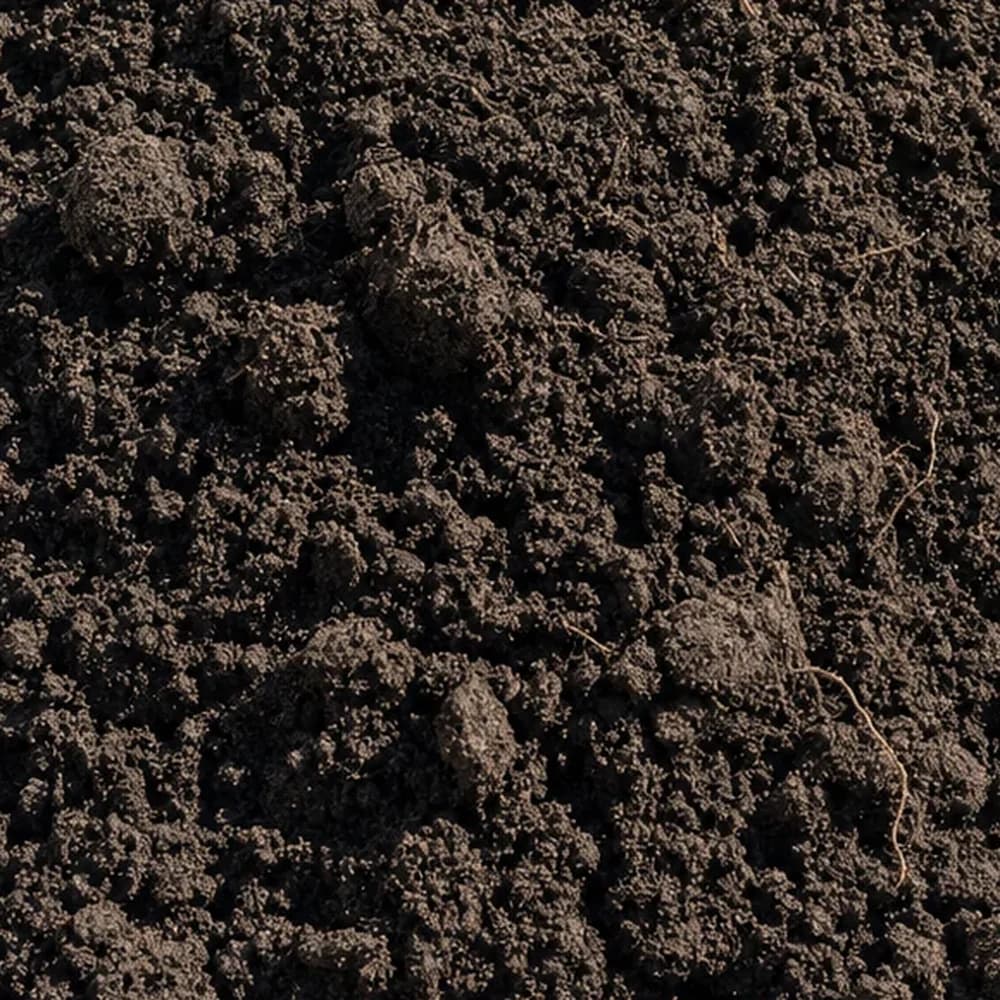
Top Soil
Top Soil gives Connecticut planting areas beside patios and walls a clean, workable surface for lawns, beds, and gardens. Size: Screened; free of rocks, debris and large clumps. Grading: Balanced sand, silt and clay.
Free Delivery
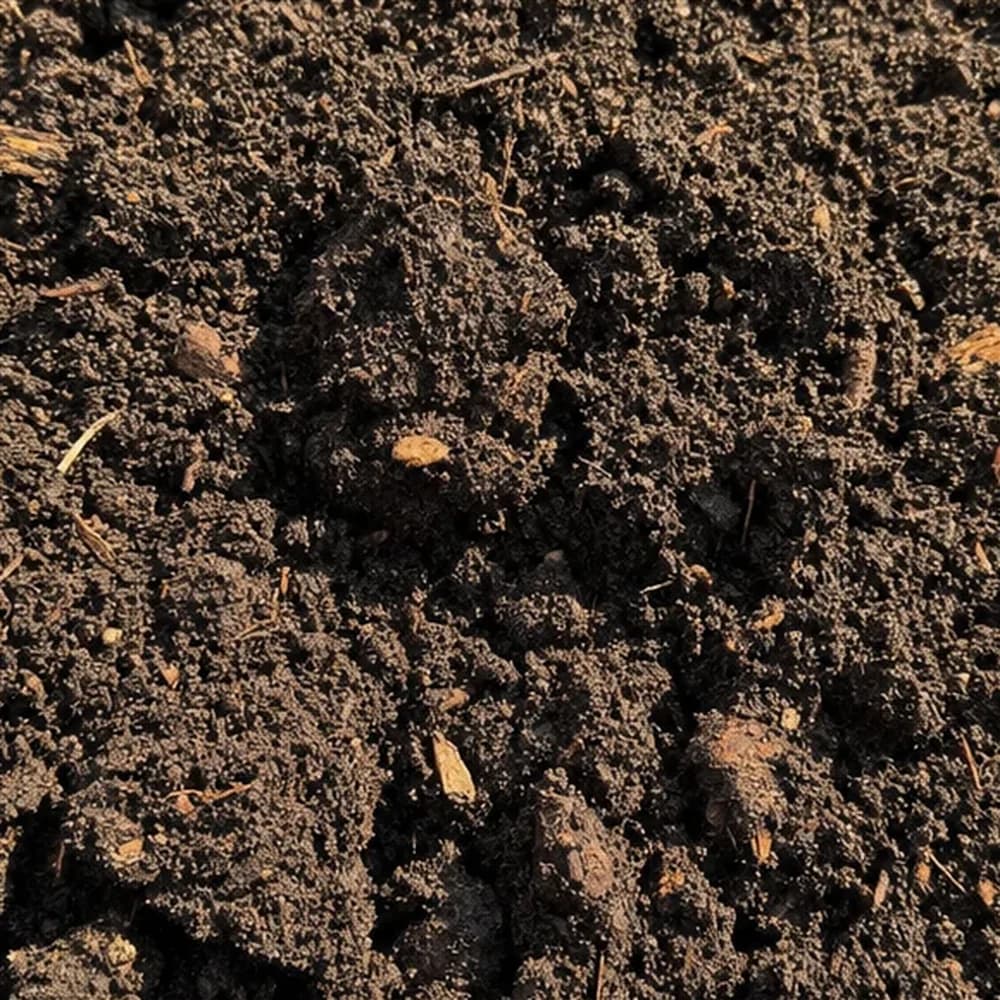
Garden Soil
For Connecticut flower beds and vegetable plots, Garden Soil brings compost-enriched growing material to new plantings or tired soil. Size: Nutrient-enriched soil blend. Grading: Enhanced with organic compost.
Free Delivery
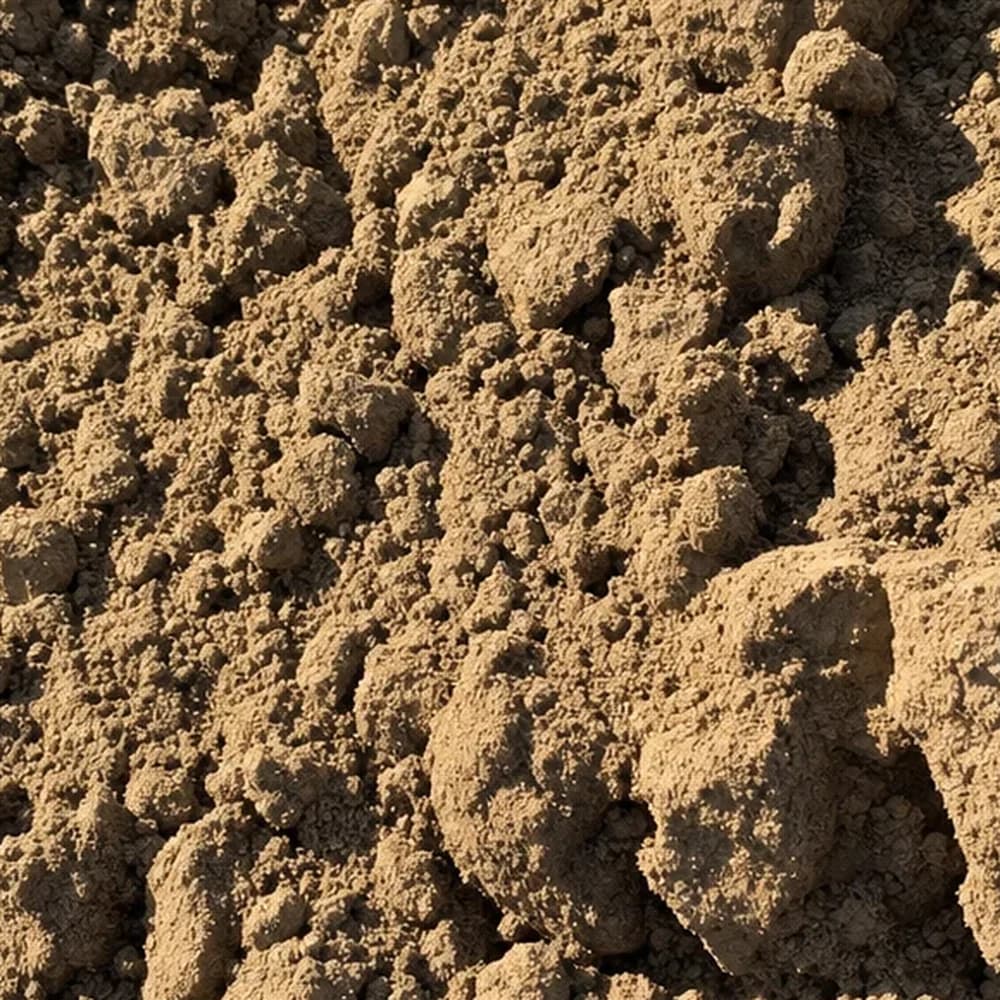
Fill Dirt
Fill Dirt provides Connecticut sites with clean, compactable material for backfill, grade changes, and preparation beneath planned landscape or construction work. Size: Screened to remove large rocks, roots and debris. Grading: Minimal organic matter.
Free Delivery
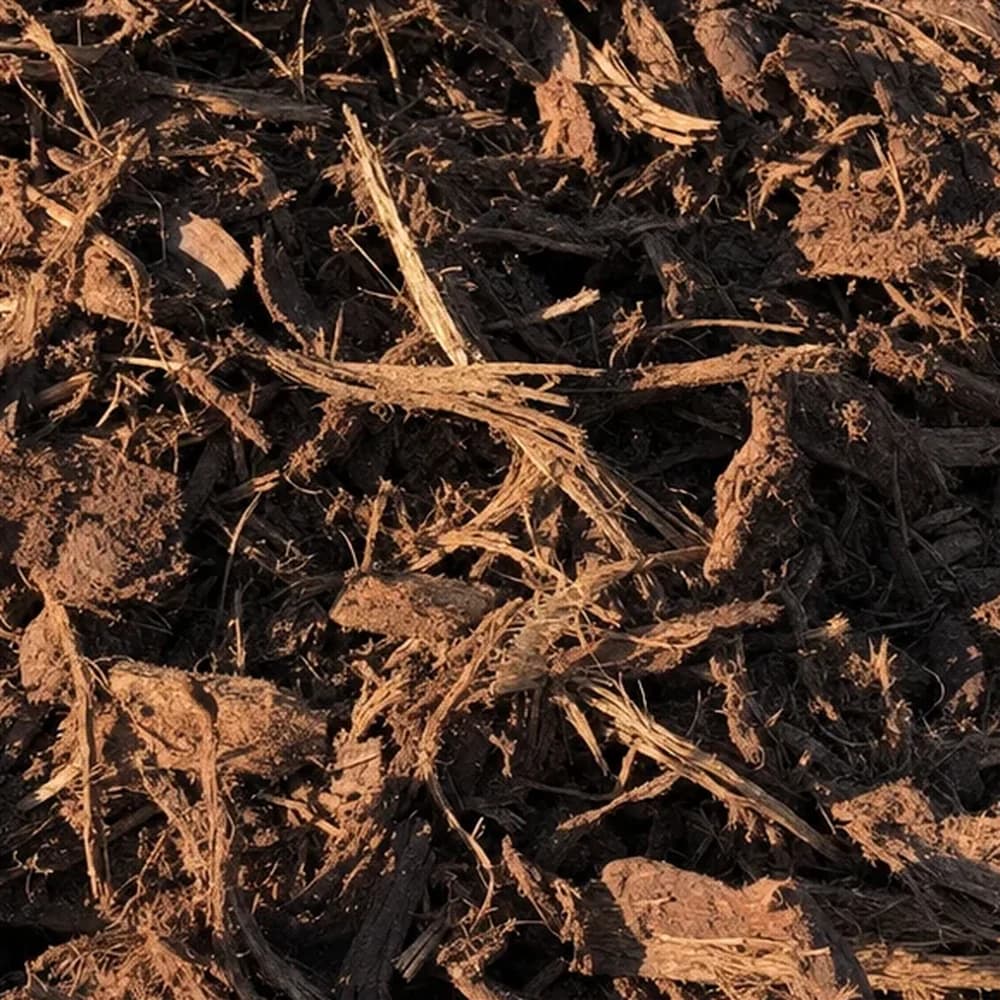
Shredded Mulch
Once settled, Shredded Mulch helps Connecticut garden beds hold moisture and reduce weed growth through changing weather. Size: Consistent, medium-sized shreds. Type: Shredded hardwood. Color: Natural brown. Typical depth: 2-4 inch layer.
Free Delivery
Two piles of gray crushed stone can look identical at ten feet and behave like opposites once they are in the ground. One has its fines left in, so it binds and compacts and sheds water. The other is washed, so the voids stay open and water runs straight through. Ordering bulk landscape materials in this state goes wrong far more often at that fork than at any question of size or color. The grouping below follows the job, so the fork is decided before you open a product page.
A drive that ruts every spring: the bearing layer, then the layer you see
Processed Gravel at one inch minus is the base most drives here are built on, with Crusher Run where the tightest compacted layer is wanted. On top go Driveway Gravel or 3/4 inch trap rock. Processed gravel and trap rock are the trade names yards here use for these two listings rather than specification numbers, so read the size and grading on each. Order the two courses separately: the base has to be shaped and rolled before anything covers it.
Getting water off a till lot before it reaches the foundation
Washed stone only. #57 Stone and Drain Rock for footing perimeters, curtain drains and drywells, #67 Stone for pipe bedding and downspout runs, and #4 Crushed Stone where a trench bottom or a construction entrance is carrying real weight in wet ground. Railroad Ballast is the coarsest of them.
Bluestone, pavers and the bed they are set into
Stone Dust is the New England bedding default under flatwork, wetted and compacted before the stone goes down. #89 Crushed Stone and #8 Crushed Stone handle joints and tight bedding, and 3/8 inch crushed stone suits a walking surface that has to stay firm underfoot.
Paths, play areas and beds that will not need raking back in April
3/8 inch pea stone for walkways and play areas, Walkway Gravel where a finer, walkable surface is wanted, River Rock for borders and dry creek beds, and Large River Rock where the feature needs weight rather than another scattering of small stone. Shredded Mulch rounds out the planted side.
Bringing a settled corner back up, then finishing the top six inches
Fill Dirt does the bulk of a regrade and the lower half of a filled hole. Top Soil goes on last for lawn and bed prep over rocky ground, and Garden Soil is the blend for raised beds and planting areas. Mason Sand and Washed Sand cover brickwork, joints and bedding under slabs.
After a nor'easter, or after a bank has scoured out
RipRap is the armor stone for shoreline edges along the Sound and for stream banks that have cut back after heavy rain and thaw. It is sized and placed differently from anything else on this list, in layers rather than a spread course.
Ordering bulk landscape materials by the ton rather than the yard
Each listing publishes size, grading and type, so a written spec can be checked against it line by line. Once the material is settled, put your measurements through the calculators to turn square footage and depth into tons, then set the quantity, the delivery date and the delivery ZIP code at checkout.
Common questions
My job has a base course and a surface course. Do I buy one material or two?
Two, and you size them separately. Take a 24 by 12 parking pad as a hypothetical: 288 square feet. Processed gravel at 4 inches is 288 x 4/12 = 96 cubic feet, 3.6 cubic yards, about 5.4 tons at the published 1.50 tons per yard. Trap rock at 2 inches on top is 48 cubic feet, 1.8 cubic yards, roughly 2.5 tons at 1.40. The base is rolled first, then the surface goes on.
The ground stays wet. Should I just order more stone?
Depth on its own rarely fixes it. On till over ledge the water is usually running sideways from uphill, so intercept it with a drain of washed stone first, then build the base over ground that is no longer being fed. A binding material placed into standing water will pump its fines up under traffic no matter how deep it is.
Can I check or change an order once it is placed?
A confirmation email carries the order and delivery details, and you will be contacted to confirm the date and given the local supplier's contact details. More material means a second order rather than an edit; cancellations fall under the site's refund policy.
What gets chosen at checkout?
Product, tonnage, delivery date and the delivery ZIP code the load is arranged from. The delivery terms currently in force are shown there with the order before you confirm.